

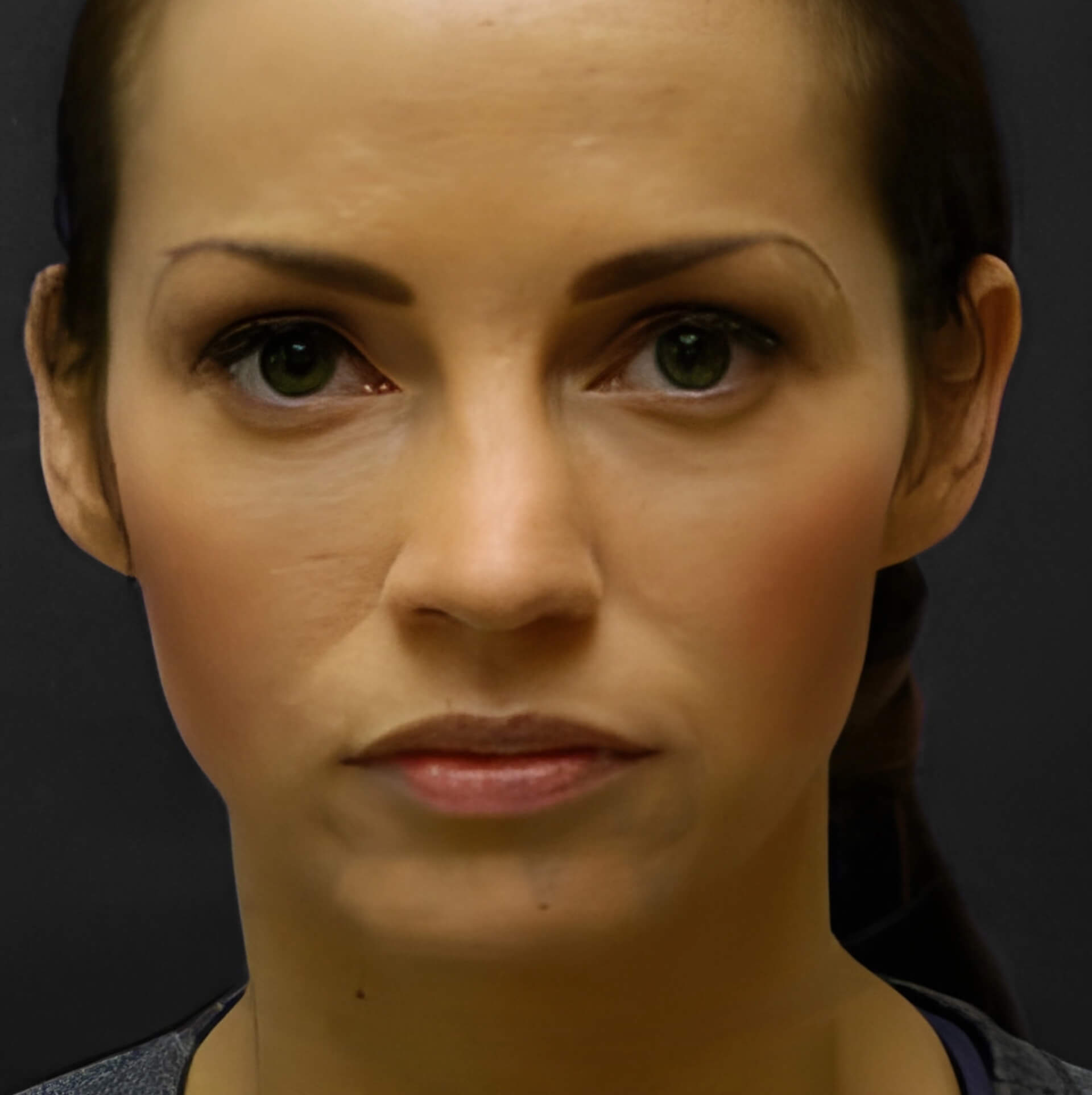
Tear Trough Fillers
Conveniently located to serve the areas of Avon and Hartford, CT
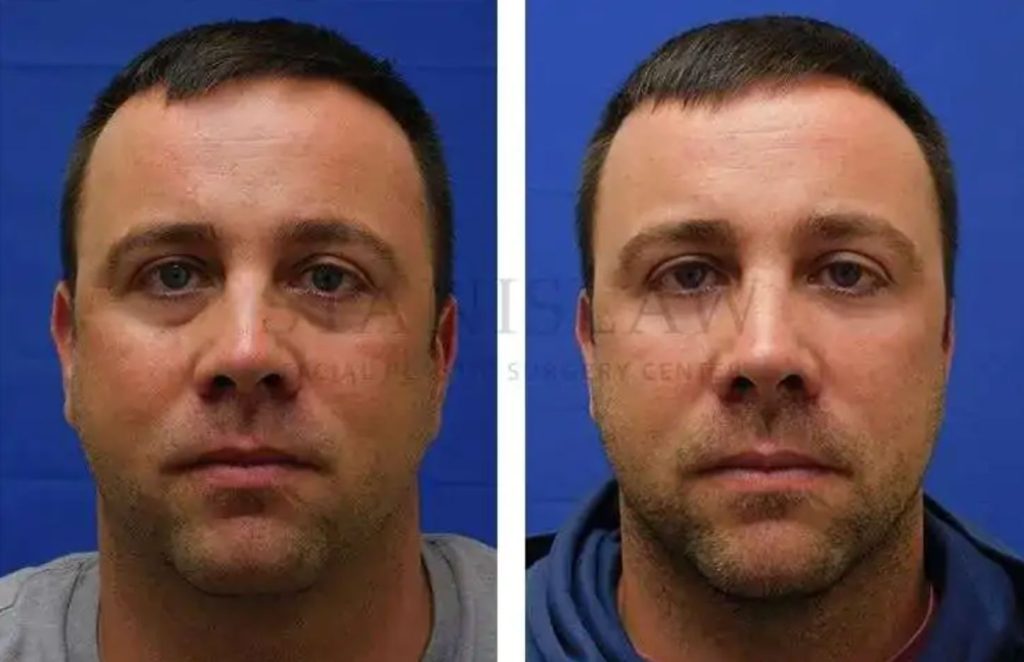
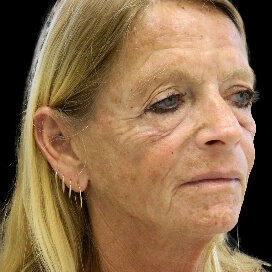
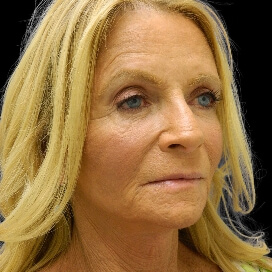
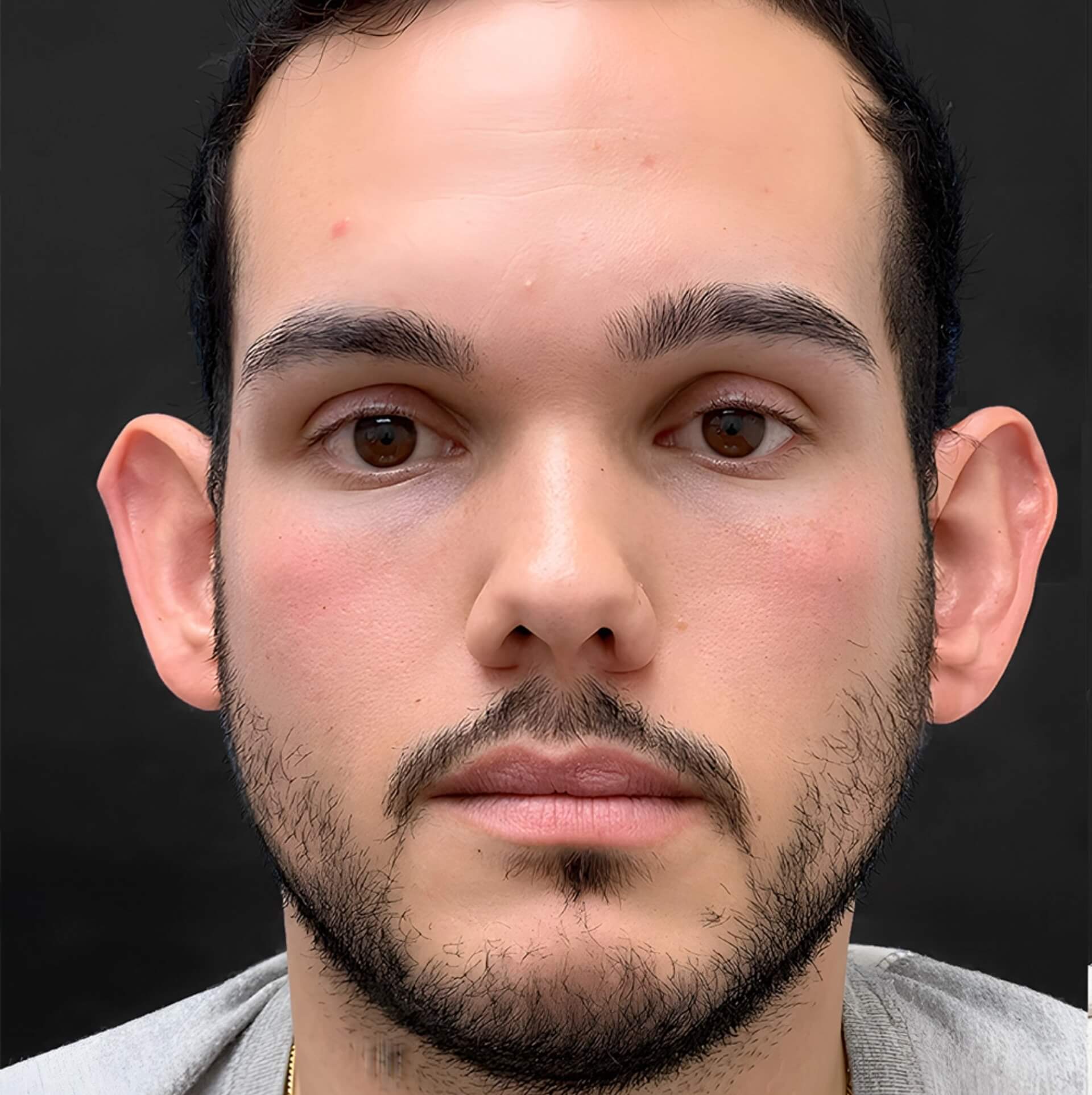
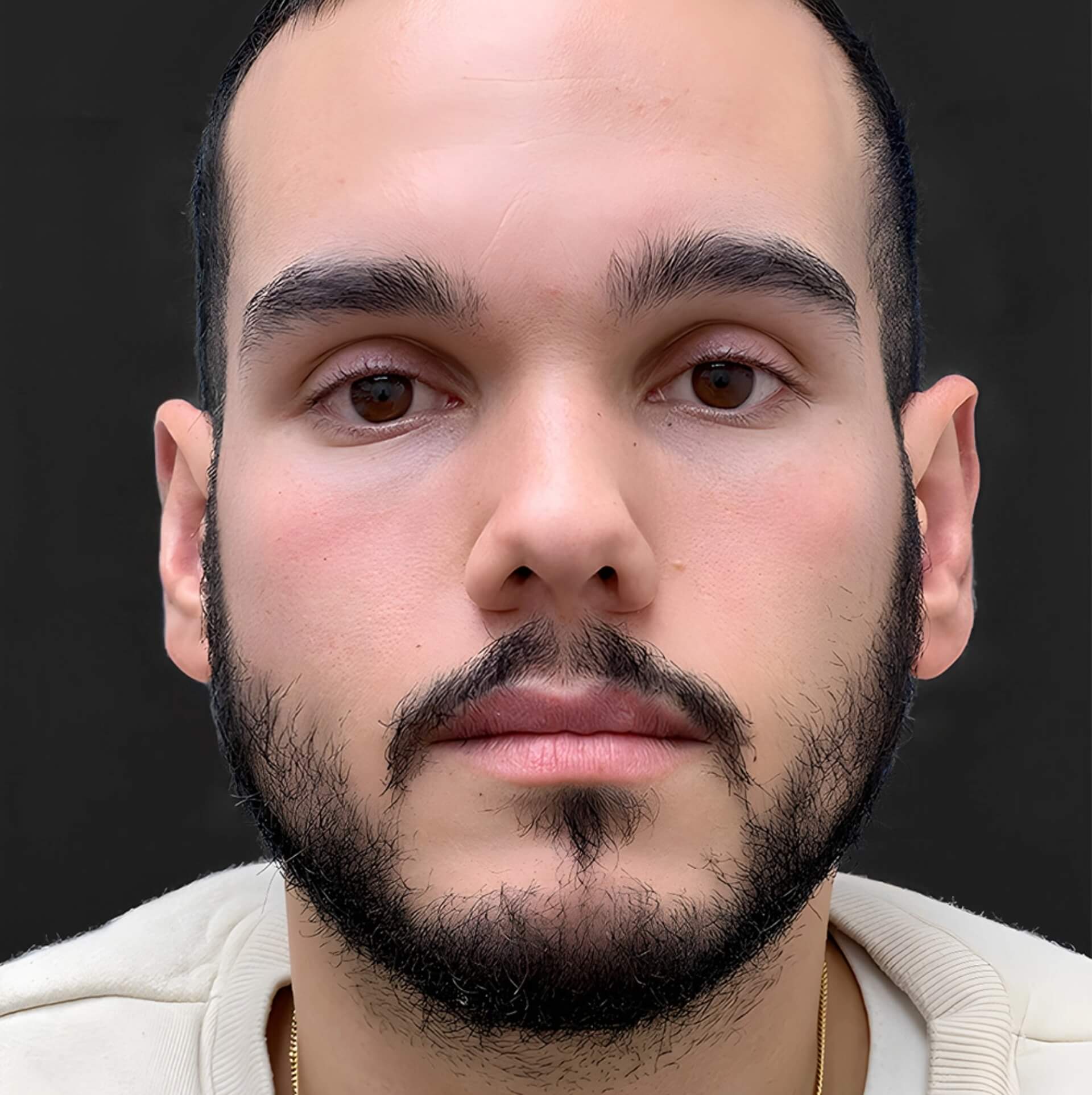
The nasojugal groove, also known as the tear trough, is the semicircular arc extending from the inner corner of the eye. A deep tear trough creates a dark shadow under the eye, which seems like a dark circle below your eyes. It may also be perceived as an early sign of aging since it creates a division of loose skin between the cheek and the lower eyelid.
There are many patients of Dr. Stanislaw who do not want to continue looking older than their years and fatigued due to this prominent deformity in facial anatomy. Even though surgical options are available, more and more patients prefer dermal filler injections for correction.
Ideal Candidates
You are a good candidate for filler injections if you have noticed dark circles, a hollow look under your eyes, tear trough deformity, or enlarged fat pockets on the lower eyelids. An ideal candidate for the filler in Hartford, New Haven, Norwalk, Greenwich, and Avon will have good skin elasticity and strong skin thickness. Your surgeon will also consider the positioning of the tear trough in relation to the orbital rim.
Fillers
Unfortunately, not all fillers are perfect for use in the tear trough. Many surgeons have used the FDA approved dermal filler, Juvéderm, which sadly exerts a plumping effect to restore volume, creating a ‘puffy’ look that may last for a few months. Similarly, other fillers like Collagen, Artefill, Radiesse, and Silicone have unwanted side effects and poor cosmetic results. Many patients need their misplaced fillers dissolved, which can be done only with hyaluronic acid fillers.
An ideal under-eye filler is Restylane for several reasons. Due to its thin consistency and hyaluronic acid content, it offers natural results and can be broken down with a hyaluronidase injection if required. These undereye and cheek filler options are ideal for addressing skin discoloration caused by dark circles, improving the look of sagging skin, and smoothing wrinkles around the eyes, providing comprehensive facial rejuvenation.
What it is
This is an office-based treatment using under-eye fillers, usually Restylane and Belotero. Any dark circles under the eye, fat pockets, or hollow look near the lower eyelids are treated with the tear trough filler treatment. These depressions and shadows are filled in to offer patients a more rejuvenated look to their cheeks and lower eyelids.
Results
Although the results vary from one patient to another, an experienced surgeon will provide results that last up to 9 months. In most cases, these will last more than 12 months.
Recovery Time
There can be some minor swelling after the treatment. Any discomfort you may experience during the treatment can be overcome by the application of a topical anesthetic cream before the injections. The swelling is minor and resolves by itself within a week. In case of any minor bruising in the upper cheek or the under-eye area, you may conceal it with makeup. Any exercises should be avoided for 24 hours, after which you can return to your normal routine and work.
Things to know:
- Injections under your eyes are not painful.
- Minor bruising and swelling are expected; please do not schedule your treatment around any important event.
- Most patients get the desired results with one syringe of Restylane; however, deep troughs may require multiple syringes.
FAQs
How long do tear trough fillers last?
How long tear trough fillers last can vary depending on several factors, including the type of filler used, individual metabolism, and lifestyle factors such as diet and exercise. Typically, the effects of tear trough fillers last 6 to 12 months. However, some people might notice the effects lasting up to 18 months.
What is the recovery time for tear trough filler?
The recovery time for tear trough filler is typically minimal, allowing most patients to resume their normal activities shortly after the procedure. Many people experience mild swelling, bruising, or redness at the injection site, which generally subsides within a few days. It is common for the results to settle over one to two weeks as any initial swelling decreases and the filler integrates into the area.
Are tear trough fillers safe?
Tear trough fillers are considered safe when administered by an experienced and qualified healthcare professional like Dr. Stanislaw. Like any cosmetic procedure, there are potential risks involved, including bruising, swelling, and in rare cases, an uneven appearance or infection. It is essential for individuals considering tear trough fillers to have a thorough consultation to discuss their medical history and desired outcomes.
Can tear trough filler be reversed?
Tear trough filler’s reversibility is a common concern among individuals considering this cosmetic procedure. Typically, tear trough fillers consist of hyaluronic acid-based injections, a gel-like substance that mimics the body’s natural fluids. One of the advantages of using hyaluronic acid fillers is their ability to be dissolved using an enzyme called hyaluronidase. If the results are unsatisfactory or complications arise, hyaluronidase can be administered to break down the filler rapidly, effectively reversing the effects.
What should I do to prepare for tear trough filler?
To prepare for a tear trough filler procedure, it’s important to focus on a few essential steps to ensure the best results and minimize any potential complications. First, it’s recommended to avoid blood-thinning medications, like aspirin. Additionally, you’ll want to limit alcohol consumption the day before the procedure and stay well-hydrated to promote healthy skin. Make sure to get adequate rest the night before your appointment, and consider having a makeup-free face on the day of the procedure to allow for easy application and assessment.
Contact Us
With careful tear trough filler injections, you can improve facial volume and restore a youthful appearance while protecting the thinnest skin under the eyes. Schedule a consultation today for tear-trough fillers in Connecticut by calling our office or filling out an online contact form.