

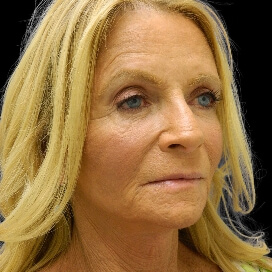


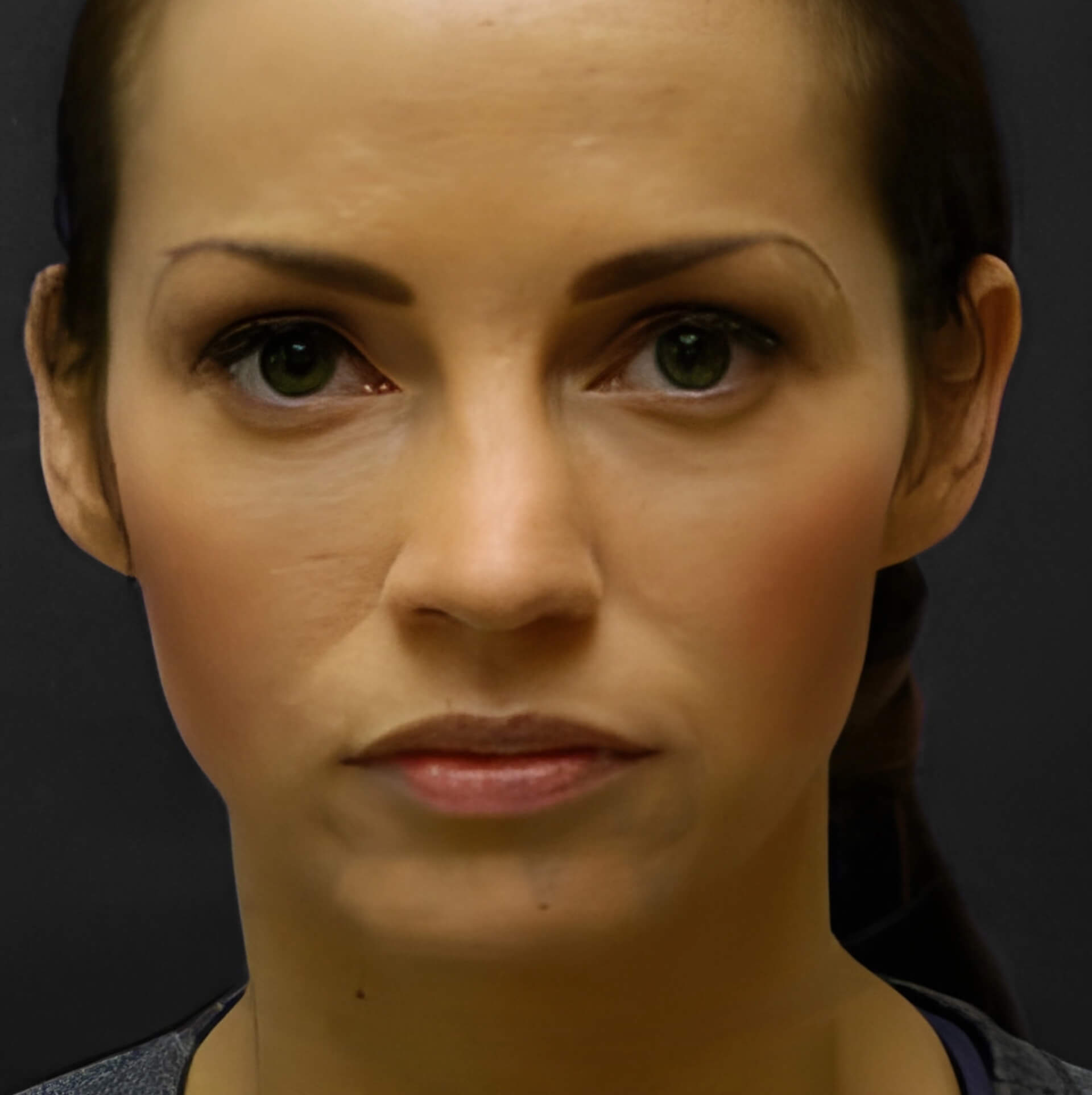
Retinol and Tretinoin are often hailed as the “holy grail” of skincare products for achieving smoother, younger-looking skin. These products increase cell turnover in the skin, offering numerous benefits for both aging and acne-prone skin. At Stanislaw Facial Plastic Surgery Center, we believe it is essential to educate our patients on retinol and Tretinoin use and application to help them achieve optimal results.
Let’s review what retinol and Tretinoin are, how they can benefit your skincare routine, and the correct application process to minimize irritation and achieve your skincare goals.
Contents
What is Retinol/Tretinoin?
Retinol and Tretinoin are both classified as topical retinoids, which means that they are both chemical compounds that are related to vitamin A. They both promote skin cell turnover and are used to treat acne and provide anti-aging benefits, as well as unclogging pores, reducing wrinkles, and giving skin a fresher and more youthful appearance.
Despite both retinol and Tretinoin being retinoids, there are some key differences between the products. While retinol can be found in over-the-counter skincare products, Tretinoin is only given via a prescription and comes in a higher concentration. Obtaining a Tretinoin prescription requires a consultation with a healthcare provider, as it is considered a prescription medication due to its potency and potential side effects. Due to this higher concentration, patients will typically see faster results when using Tretinoin.
The Benefits of Using Retinol/Tretinoin Cream
Whether you’re using retinol or Tretinoin, both come with a wide variety of benefits, including the following:
- More youthful appearance: Many of our patients turn to retinol and Tretinoin to achieve a younger-looking appearance. Because they both increase cell turnover, remove dead skin cells, and unclog pores, you’ll notice lines and wrinkles fading, improved skin texture, reduced wrinkles, and a more youthful glow.
- Diminish acne: Retinol and Tretinoin both unclog pores by increasing skin cell turnover, helping to stop acne before it starts and ensuring you can have the clear skin you desire.
- Improved skin elasticity: Because Tretinoin and retinol boost collagen production in the skin, they also improve the elasticity in the skin, allowing it to stretch and return to its shape. This is what maintains your skin’s younger-looking appearance.
- Quick and convenient treatment: Since you simply apply a small amount of retinol or Tretinoin at home, it is easy to work into your daily skincare routine.
- Fade dark spots: Retinol and Tretinoin can help fade dark spots caused by sun damage or aging by promoting skin cell turnover and reducing localized hyperpigmentation.
What Age to Start Using Retinol/Tretinoin?
Dr. Stanislaw typically recommends starting retinol/Tretinoin during your mid-20s to early 30s to fight the early signs of aging; however, incorporating retinol/Tretinoin into your routine at a later age will still result in smoother, softer, and clearer skin. When beginning to use retinol or Tretinoin, it is important to start gradually incorporating it into your skincare routine until you can build up to using it every day to minimize side effects. The amount of time it takes to build up to daily use depends on your skin type and sensitivity, rather than your age.
Building a personalized skin care routine is essential when incorporating retinol or Tretinoin to promote skin health and minimize irritation. Make sure you consult a doctor before increasing your retinol/Tretinoin dosage and frequency of use.
Steps to Correctly Apply Retinol/ Tretinoin Cream to Minimize Skin Irritation
When you start retinol or Tretinoin, you will want to begin your treatment once a week for 6-8 weeks. Then you can start applying treatment twice a week for 6-8 weeks. After that, you will advance to three times a week for 6-8 weeks. You can continue this until you are using it every night. But if you start to see redness, skin dryness, flakiness, or skin irritation, you will want to decrease your use and go back down to the prior schedule.
Your schedule and how often you use Tretinoin or retinol will depend on your skin. If you have delicate or sensitive skin, you may only use the products twice a week. It’s essential to listen to your skin and go slow with your treatment schedule.
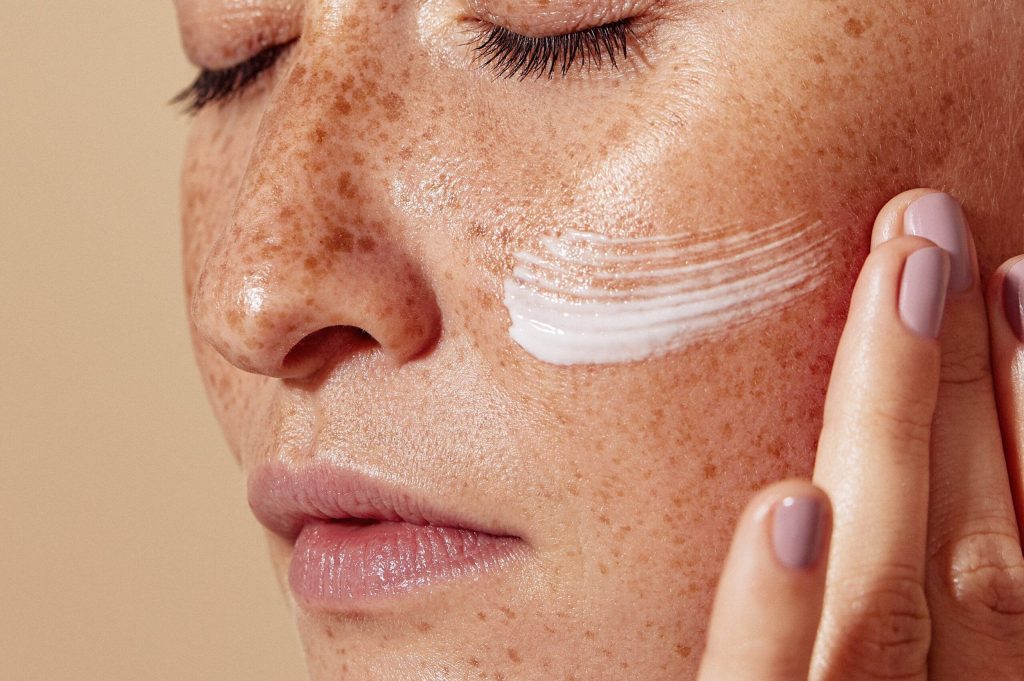
To apply Tretinoin cream or retinol, follow these steps: First, cleanse your face and wait until your skin is completely dry. Using a clean, dry finger, squeeze out a pea-sized amount of the cream. Dab small dots on your forehead, cheeks, chin, and nose, then gently spread to cover your entire face. Only apply these products at night as they increase the skin’s sensitivity to the sun. Avoid using more than a pea-sized amount to minimize the risk of irritation. Using too much product will not speed up the desired results; it will only irritate the skin.
When you first start, your skin will likely be dry and irritated, but if you start slowly and gradually increase how often you apply it, your skin will adjust, and the irritation will subside.
Managing Side Effects
When introducing retinol or Tretinoin creams into your skincare routine, it’s normal to experience some side effects such as skin irritation, redness, dryness, or increased sensitivity to the sun. To help your skin adjust, begin with a lower concentration, and only increase as your skin tolerates the topical retinoid. Applying a gentle moisturizer before or after your cream can help soothe dry or irritated skin and reduce discomfort.
It’s also important to avoid using other topical treatments that can increase skin irritation, such as benzoyl peroxide or salicylic acid, on the same days as your retinol or Tretinoin. Combining these ingredients can be too harsh, especially for sensitive or acne-prone skin. If you notice severe irritation, try reducing the frequency of application or consult a doctor for personalized advice.
Many people experience a temporary “purge” phase when starting retinol or Tretinoin, where acne or other skin concerns may seem to worsen before improving. This is a normal part of the process as your skin cells turn over more rapidly and clogged pores clear out. With patience and a consistent skincare routine, your skin will gradually build tolerance, and you’ll start to see improvements in skin texture, fine lines, and overall appearance.
Schedule a Consultation
Rejuvenate your skin and achieve the younger-looking and clearer skin you deserve with the help of Tretinoin at Stanislaw Facial Plastic Surgery Center. To get started and to learn more about how to rejuvenate your skincare routine, schedule a consultation with our team today. Call our office or message us via our online contact form.