Rhinoplasty
Conveniently located to serve the areas of Avon and Hartford, CT
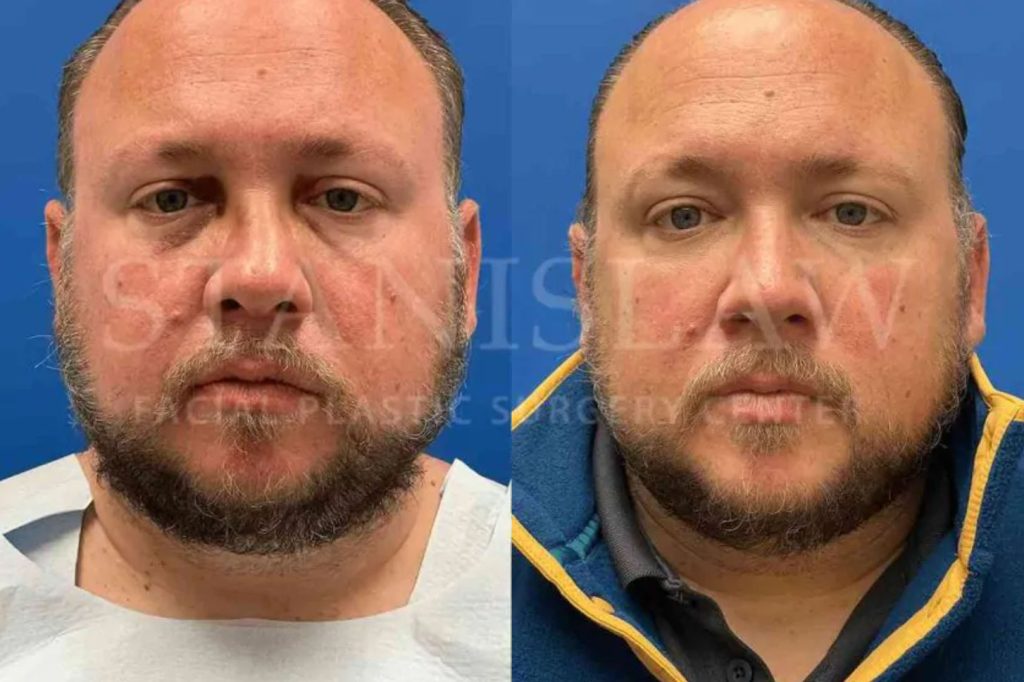
A rhinoplasty, or a “nose job,” is a surgical procedure that alters the shape, structure, and/or function of the nose. (1) While many patients undergo this procedure for cosmetic enhancements, they may also undergo it as a medical necessity for breathing concerns and airway obstructions.
When pursuing rhinoplasty, you should always be searching for a board-certified plastic surgeon with the correct training and experience, such as Dr. Paul Stanislaw.
Dr. Stanislaw is a double board-certified plastic & reconstructive and otolaryngology surgeonat Stanislaw Facial Plastic Surgery Center who has countless years of experience performing rhinoplasty and other intricate facial procedures. With each procedure, he combines both artistry and science to expertly deliver his patients’ goals.
If you are interested in meeting with Dr. Stanislaw and exploring your rhinoplasty possibilities, we encourage you to contact us online. You may also call (860) 409-1515 to reach our Hartford office directly.
Contents
- 1 Before and After Photos
- 2 About Rhinoplasties
- 3 Types of Rhinoplasty Procedures
- 4 Benefits
- 5 Candidates
- 6 Personal Consultation
- 7 Preparation
- 8 Procedure
- 9 Recovery
- 10 Results
- 11 Cost of Rhinoplasty in Hartford, Connecticut
- 12 FAQ
- 12.1 Can Dr. Stanislaw perform different types of rhinoplasty procedures?
- 12.2 Can a rhinoplasty make my nose appear smaller?
- 12.3 Can rhinoplasty procedures correct sinus concerns?
- 12.4 How long will my rhinoplasty take?
- 12.5 How long will it take for me to recover after my rhinoplasty?
- 12.6 Does rhinoplasty have any side effects?
- 12.7 How long will my rhinoplasty results last?
- 13 References
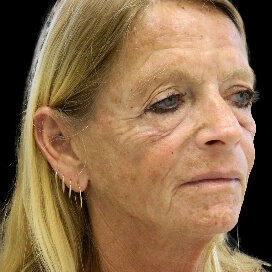
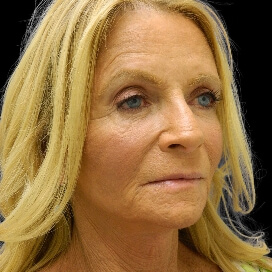
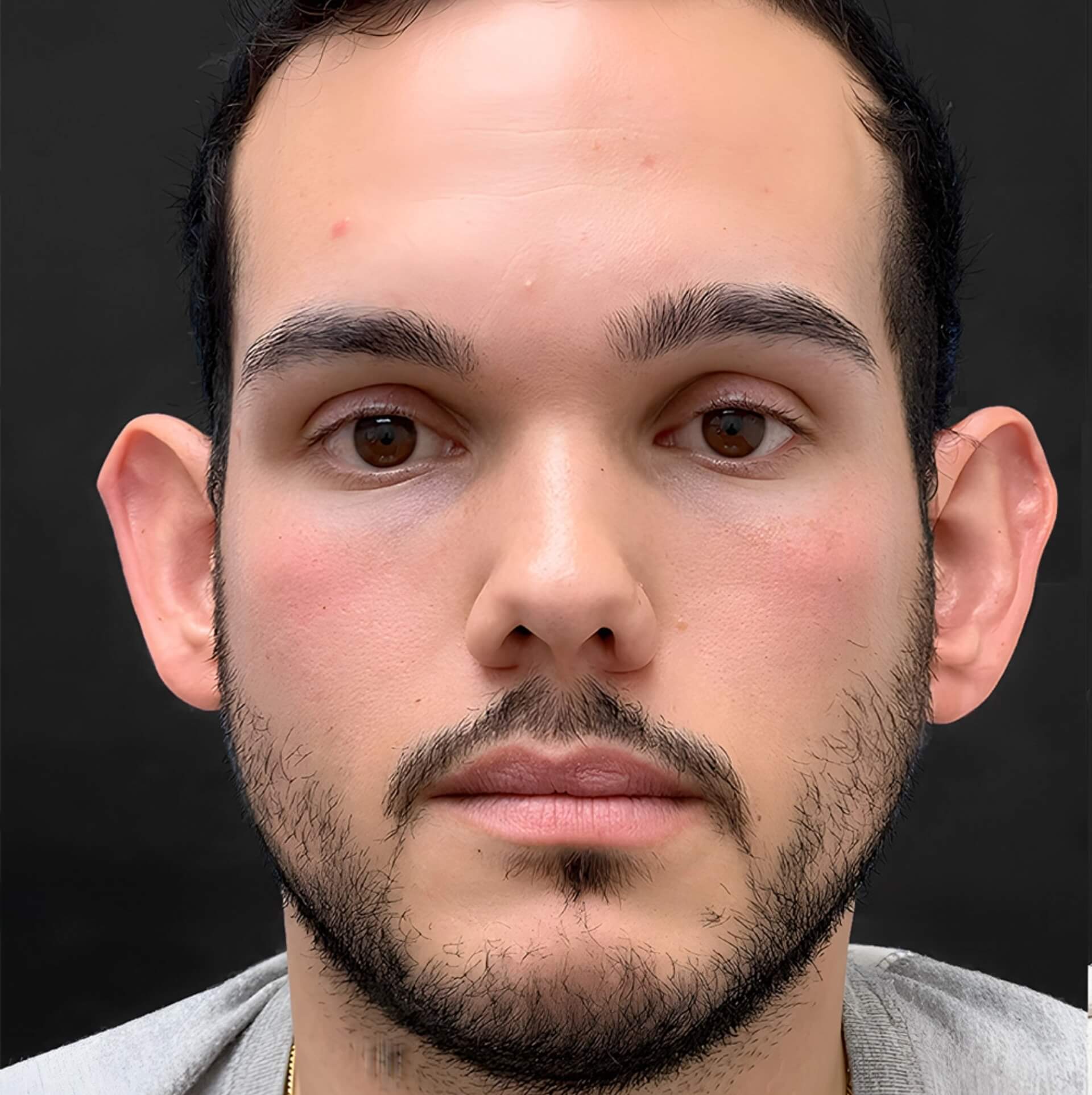
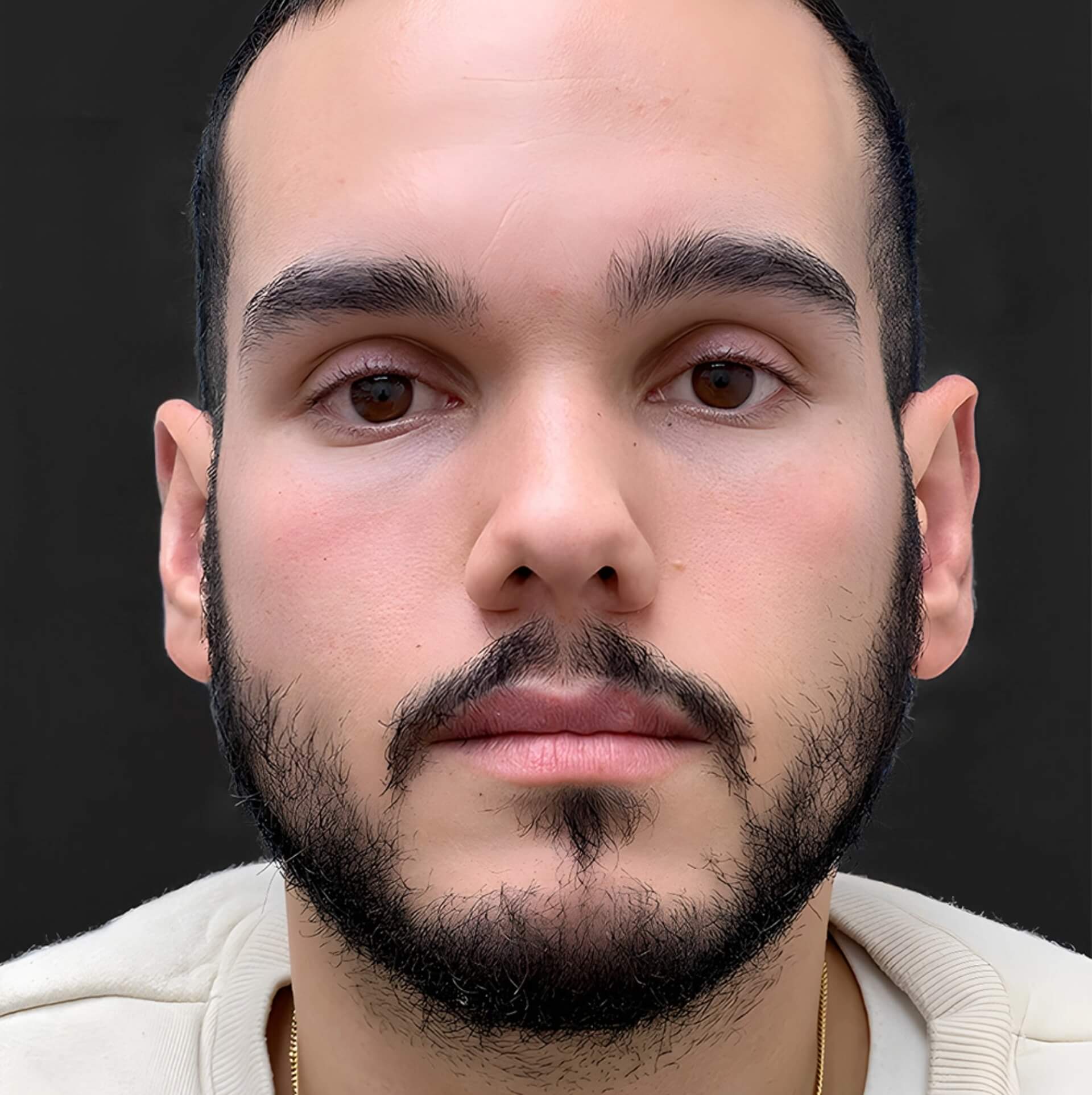
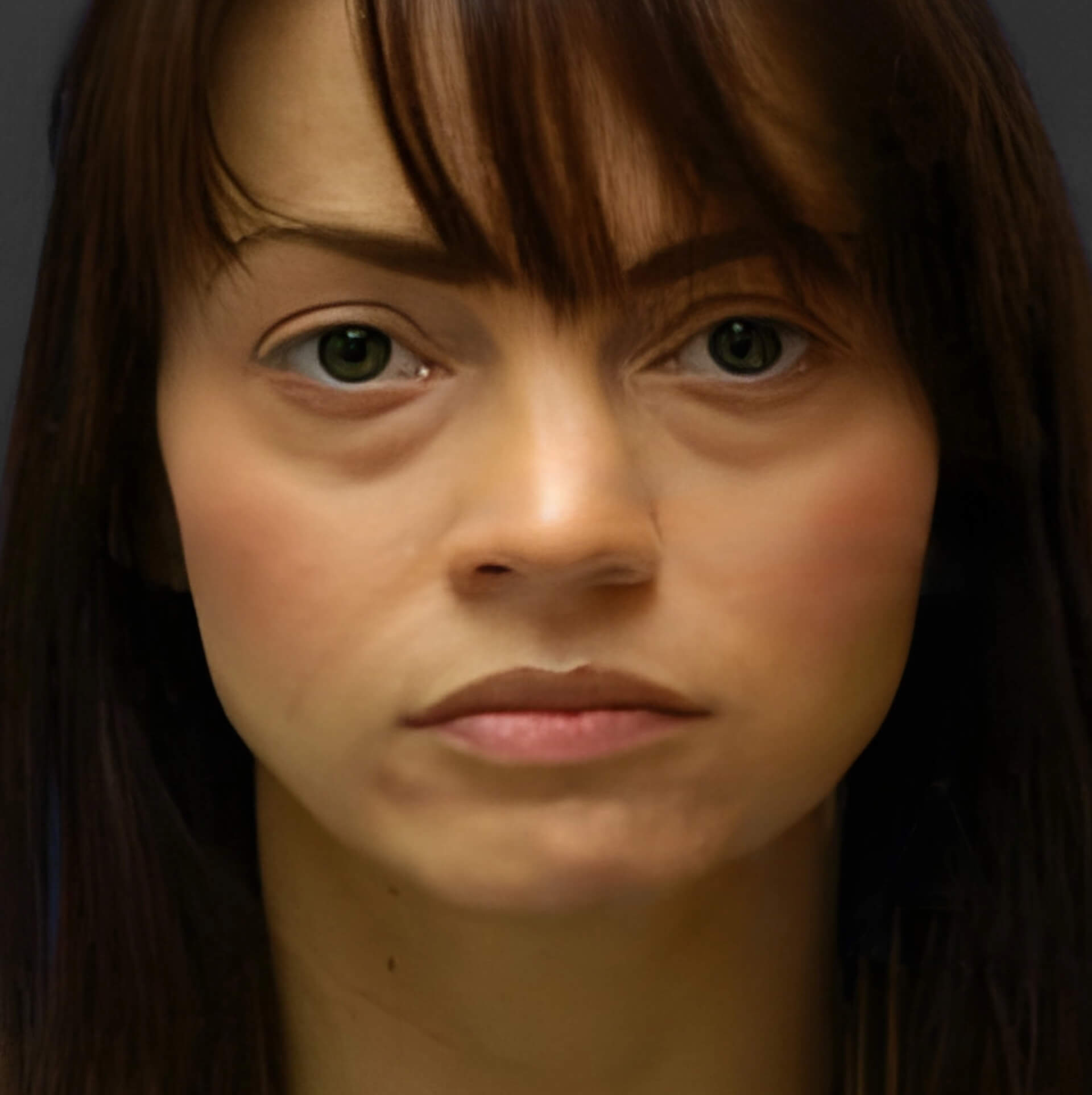
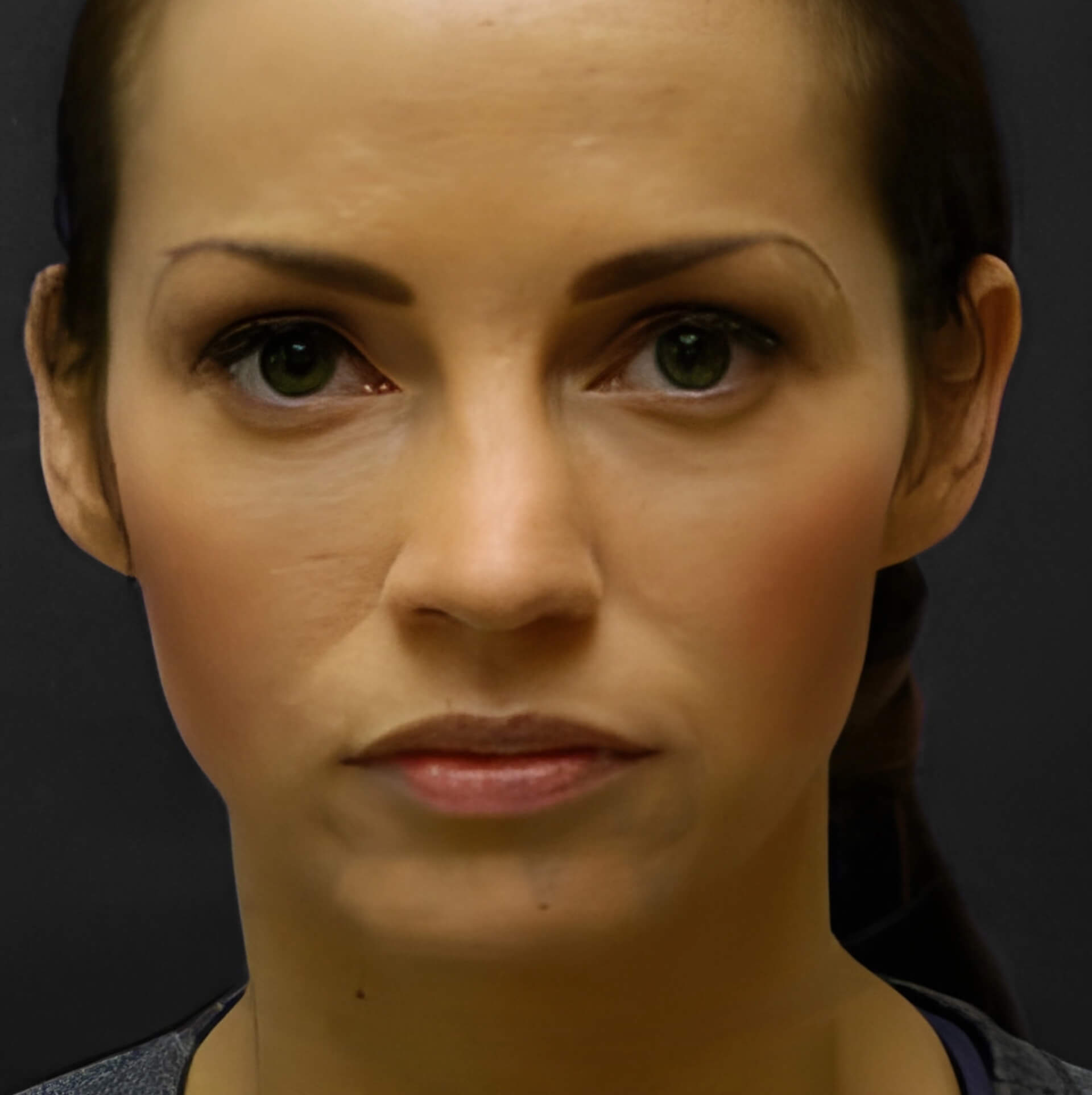
Before and After Photos


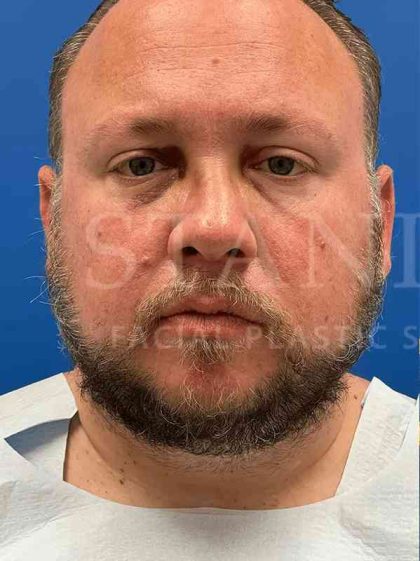
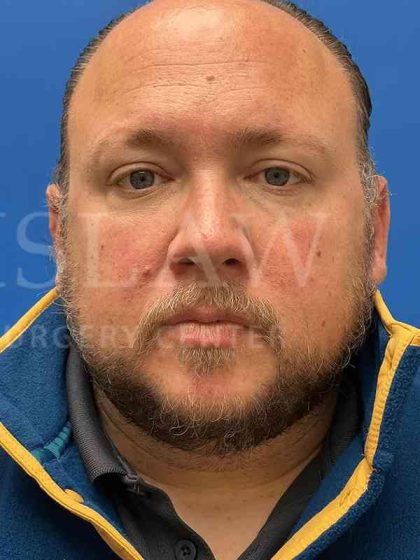
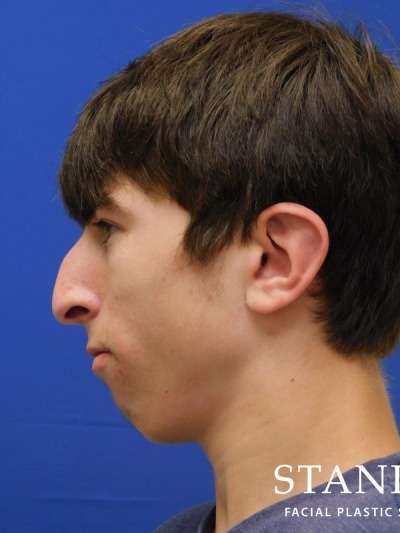
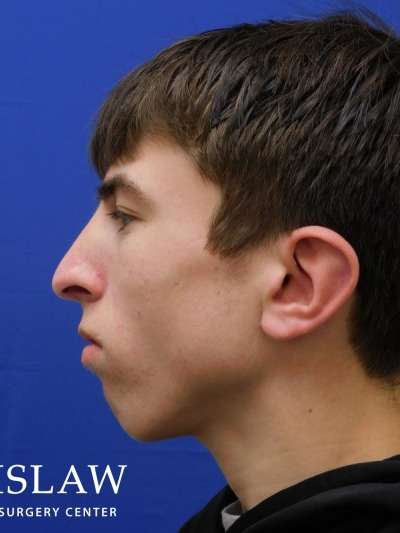
About Rhinoplasties
A rhinoplasty is a surgical procedure that can refine the shape, size, structure, and symmetry of the nose to improve its appearance and the overall harmony of the face. This procedure consists of Dr. Stanislaw reshaping your nasal bones, repositioning your nasal cartilage, shaping and placing cartilage grafts, and more to achieve your ideal nose shape with a natural look and durable, long-lasting results.
Types of Rhinoplasty Procedures
Rhinoplasty procedures can be classified into two major categories: the closed-approach (endonasal) rhinoplasty and the open-approach rhinoplasty. Dr. Stanislaw performs an equal number of both of these approaches. Ultimately, the type of rhinoplasty procedure you receive will be dependent upon your pre-existing anatomy and desired corrections.
Endonasal Rhinoplasty/Closed Rhinoplasty
Dr. Stanislaw performs endonasal (closed) rhinoplasty by placing each incision on the inside of the nose. He works through your nostrils to remove, redistribute, or restructure skin, cartilage, and other tissues. Because of the limited access working through the nostrils, Dr. Stanislaw is limited in the changes that he can make to the shape of the nose.
Endonasal rhinoplasties are highly effective for reducing a dorsal hump, changing your tip projection, or correcting tip ptosis. This approach also leaves no visible scarring, allows for a shorter operative time, and elicits a lighter recovery. (2)
Open Approach Rhinoplasty
In an open approach rhinoplasty, Dr. Stanislaw places a small incision across the skin that separates the nostrils (columella). The incision allows him to lift the tissue off the nasal bone and cartilage so that he can directly visualize nasal structures. (2)
An open approach rhinoplasty is ideal for making the nasal tip look smaller and more symmetrical, making the nose look smaller overall, straightening the nasal bridge, addressing nasal airway or nasal obstruction concerns, and removing a prominent dorsal hump. By allowing Dr. Stanislaw to directly visualize all of the structural supports of the nose, an open approach rhinoplasty can address any concerns regarding the shape of your nose. The surgical time for this procedure is usually longer than that of a closed rhinoplasty because it addresses more structures more directly. The healing process for open-approach surgery is also typically longer than an endonasal procedure, since he is performing more work.
Liquid Rhinoplasty
In certain cases, Dr. Stanislaw may recommend opting for, or combining your procedure with, a non-surgical rhinoplasty or liquid rhinoplasty. This treatment utilizes injectable fillers to provide certain alterations—all without the downtime of surgical intervention. (3) Dr. Stanislaw typically uses fillers such as Restylane, Perlane, or Juvederm, but he can discuss each of these details with you during your consultation.
Benefits
Rhinoplasty can be a life changing procedure for patients who struggle with their nose appearance. Under Dr. Stanislaw’s advanced expertise, you can benefit through:
- Enhancing your facial harmony
- Improving your nasal function
- Refining your nasal shape
- Correcting asymmetry
- Elevating your self-confidence
- Personalized results
- Permanent effects
Candidates
You may be a candidate for a rhinoplasty if you are dissatisfied with the shape of your nose and are seeking a more permanent change to your appearance. You may also undergo a rhinoplasty to correct any breathing difficulties you may have, such as those stemming from a deviated nasal septum.
To qualify for this procedure, you should be in good overall health, not use nicotine products, and have already gained pre-operative clearance. You should also have realistic expectations regarding your nasal surgery, which Dr. Stanislaw can discuss with you more during your initial consultation.
Personal Consultation
During your personal consultation, Dr. Stanislaw will meet with you individually to discuss your medical history, listen to your personal concerns, and assess your candidacy. He will perform a thorough examination of your nasal structure, as well as an assessment of your facial anatomy and skin thickness. He will then discuss with you the technical considerations of a rhinoplasty procedure and recommend the best type for you.
If you are ready to schedule your consultation and start discussing each of its details, please contact us online or call (860) 409-1515.
Preparation
After you have scheduled your procedure, Dr. Stanislaw will provide you with a set of written instructions to help you prepare, which may include:
- Avoiding blood-thinning medications or supplements.
- Having a trusted friend or family member transport you home after your procedure.
- Preparing to take time away from your career and personal responsibilities.
- Acquiring any prescriptions or medications you will need for your recovery ahead of time.
- Ceasing the consumption of alcohol in the days leading up to your procedure.
By following each pre-operative instruction you receive, you can ensure a safe and successful procedure.
Procedure
Regardless of the type of rhinoplasty you undergo, your procedure will begin with Dr. Stanislaw cleansing your skin. Following this, you will receive general anesthesia to keep you comfortable, and airway support. You will also receive local anesthesia for additional comfort, as well as epinephrine to constrict your blood vessels and minimize any bleeding. He will then place an incision using either the endonasal or open approach.
If he uses the endonasal approach, Dr. Stanislaw will place each incision on the inside of your nasal cavity. This will avoid scarring on the external surface of your nose. If Dr. Stanislaw uses the open approach, he will place a small incision across the columnella. This is the small strip of flesh between the nostrils.
Dr. Stanislaw will then proceed to perform each of your desired corrections. The exact corrections he performs will vary depending on your goals, but he may reshape and reposition your bony and cartilaginous nasal structures, address your dorsal hump, refine your nasal tip, correct asymmetry, and more. He makes these changes with an osteotome, which is a small, double-beveled instrument that is similar to a chisel.
Dr. Stanislaw will also place grafts to enhance internal support as well as improve the external appearance. He may take the grafts from areas such as the mastoid periosteum, nasal septum, or ribs and reshape it to suit the area.
Once Dr. Stanislaw has completed each of your desired corrections, he will carefully suture each incision and allow you to rest before returning home.
Recovery
After your rhinoplasty procedure, you will need to take some time to heal. You can expect to experience mild swelling or light bruising around your eyes and nose. These effects are temporary and will decrease on their own, but you may also manage them with antibiotics, celecoxib, and elevating your head while resting. You will also need to avoid bending, lifting, or straining for approximately one week after the procedure.
Dr. Stanislaw will have you wear dressings on the inside of your nose and a splint on the outside. The dressings in your nose will be within each nostril, and they are made of a soft foam. He will also place a “mustache dressing,” which will consist of gauze and tape. Your nose will run because of these dressings, and this structure will act as a drip pad to catch everything. While you will not feel any discomfort from this dressing, you may feel congested because of it. Dr. Stanislaw will remove these internal dressings at a follow-up appointment the day after your surgery. Once he does, you will be able to breathe through your nose again.
The metal splint on the exterior of your nose will maintain structure as your tissues heal. Dr. Stanislaw will remove these dressings on the seventh day of your recovery at another follow-up appointment. You will need to keep this splint clean and dry, even when you are in the shower. It is important that you do not bump the outside of your splint and avoid blowing your nose during this time, as these actions can destabilize your nose and potentially affect your sutures.
If you have sutures on the outside of your nose, you will need to apply Aquaphor to your sutures at least three times a day. This is a non-prescription petroleum jelly that can help protect your skin and keep it hydrated. Dr. Stanislaw will remove these sutures at your seven-day follow-up appointment, the same appointment at which he will take your metal splint off.
You may return to your routine after resting for 10 to 14 days, especially if you want to maintain discretion and not showcase signs of surgery. If you receive an endonasal rhinoplasty and have no external incisions, you may return after your splint removal. Dr. Stanislaw will provide you with further instructions after your procedure.
Results
You will be able to enjoy the full results of your rhinoplasty procedure after a full recovery. While your exact results will vary, you can expect your nose to appear straighter, smaller, and balanced with the other features of your face—each of which can result in a more attractive and confident appearance.
The effects of a rhinoplasty are generally permanent, which means you will be able to enjoy your results for a lifetime. Any scarring you experience will also fade greatly in the following months until they are barely perceptible.
Cost of Rhinoplasty in Hartford, Connecticut
Dr. Stanislaw and his team will discuss the pricing of your procedure with you in person once they establish each detail. Dr. Stanislaw customizes each procedure according to his patient’s needs and pre-existing anatomy, which can make it difficult to provide an accurate early estimate.
For further information about our pricing, please request a consultation online or call (860) 409-1515.
FAQ
Can Dr. Stanislaw perform different types of rhinoplasty procedures?
Yes! Dr. Stanislaw can perform endonasal (closed) or open rhinoplasty, revision rhinoplasty, and liquid rhinoplasty. He may also combine different techniques, depending on the case.
Can a rhinoplasty make my nose appear smaller?
Yes, during your procedure, Dr. Stanislaw can remove or reshape your bony and cartilaginous structures to reduce the overall dimensions of your nose. By doing so, he will not only decrease your nose’s size but also maintain a more balanced and harmonious appearance across each facial feature.
Can rhinoplasty procedures correct sinus concerns?
No, a rhinoplasty does not correct sinus concerns. A rhinoplasty can help with breathing through the nose by improving the airway of each nostril, but it will not alter the sinuses.
How long will my rhinoplasty take?
Dr. Stanislaw typically takes 2 to 4 hours to perform a surgical rhinoplasty, although complex revision cases can take up to 7 hours. The exact duration of your procedure will vary depending on complexity and the corrections you request.
How long will it take for me to recover after my rhinoplasty?
Many of Dr. Stanislaw’s patients are able to return to work or school after resting for approximately 7 to 10 days. However, you will need to continue avoiding strenuous activities and any situations where you could get hit in your nose for up to one month.
Does rhinoplasty have any side effects?
While most individuals who undergo rhinoplasty procedures achieve successful results, it is common for them to experience certain side effects as they heal. These can include bruising or swelling around the nose and eyes, temporary numbness, feelings of stiffness, or slight discomfort around the treated area.
How long will my rhinoplasty results last?
The results of a rhinoplasty are permanent, with effects that you can enjoy for a lifetime.
References
- Ishii LE, Travis Tate Tollefson, Basura GJ, et al. Clinical Practice Guideline: Improving Nasal Form and Function after Rhinoplasty Executive Summary. Otolaryngology-Head and Neck Surgery. 2017;156(2):205-219. doi:https://doi.org/10.1177/0194599816683156
- Fichman M, Piedra Buena IT. Rhinoplasty. PubMed. Published 2024. https://www.ncbi.nlm.nih.gov/books/NBK558970/#article-28523.s5
- Song D, Wang X, Yu Z. Nonsurgical Rhinoplasty: An Updated Systematic Review of Technique, Outcomes, Complications, and Its Treatments. Aesthetic Plastic Surgery. Published online June 11, 2024. doi:https://doi.org/10.1007/s00266-024-04161-4