
Lower Blepharoplasty
Conveniently located to serve the areas of Avon and Hartford, CT
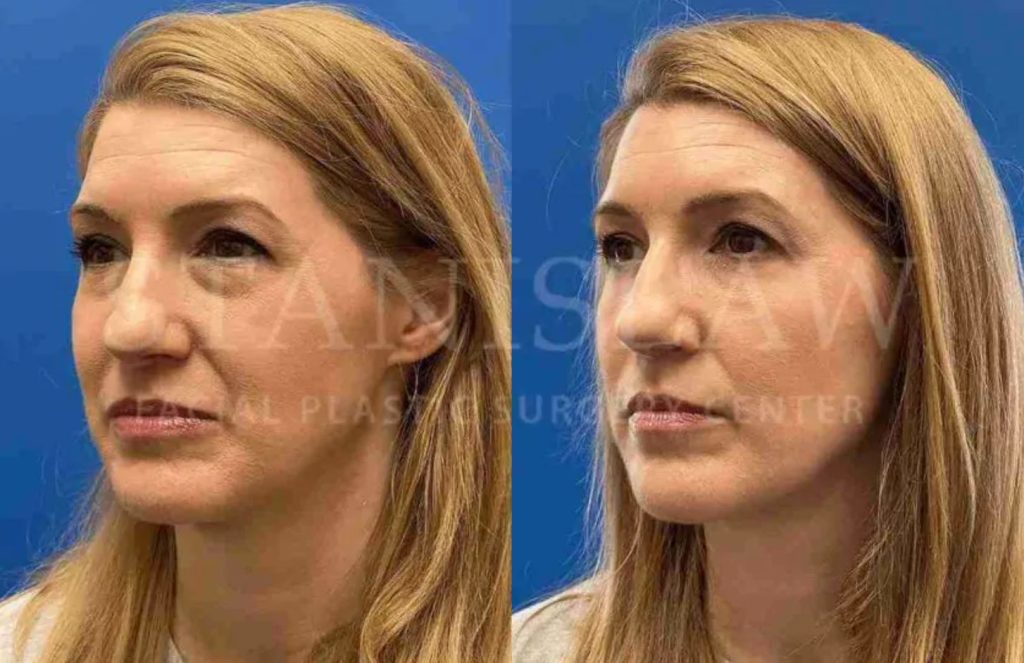
An eyelid lift surgery (also known as cosmetic eyelid surgery) can immensely help with eliminating that puffy look that makes you look aged and tired. Blepharoplasty is a surgical procedure meticulously designed to diminish dark circles, sagging eyelid skin, and wrinkling skin. Deep grooves and bags under the eyes are a major concern for a lot of people, especially those who look older than their age. It can also be combined with an upper eyelid blepharoplasty to address upper and lower eyelids or a brow lift for the ultimate rejuvenation. If you’re looking for significant changes to your appearance around the eyes, a lower blepharoplasty at Stanislaw Facial Plastic Surgery Center may be an effective treatment for you.
Contents
- 1 Before and After Photos
- 2 Ideal Candidates
- 3 Benefits
- 4 Procedure
- 5 What to Ask
- 6 Scars
- 7 Recovery
- 8 Results Duration
- 9 FAQs
- 9.1 Can droopy eyelids cause blurred vision?
- 9.2 Can I sleep on my side after eyelid surgery?
- 9.3 Does eyelid surgery leave scars?
- 9.4 How long after blepharoplasty do you see results?
- 9.5 How long are eyes blurry after blepharoplasty?
- 9.6 How long does it take for lower blepharoplasty scars to heal?
- 9.7 How much is an eyelid surgery?
- 9.8 Is drooping eyelid surgery covered by insurance?
- 9.9 Is eyelid surgery painful?
- 9.10 Is eyelid surgery safe?
- 9.11 What are the risks of eyelid surgery?
- 9.12 What can I expect after eyelid surgery?
- 9.13 Is eyelid surgery right for me?
- 10 Contact Us
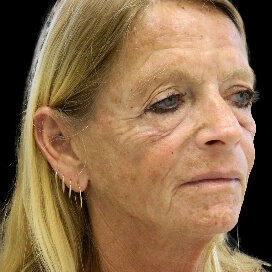
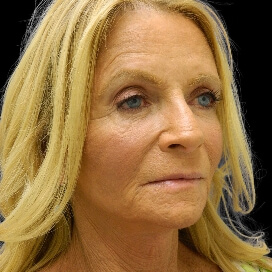
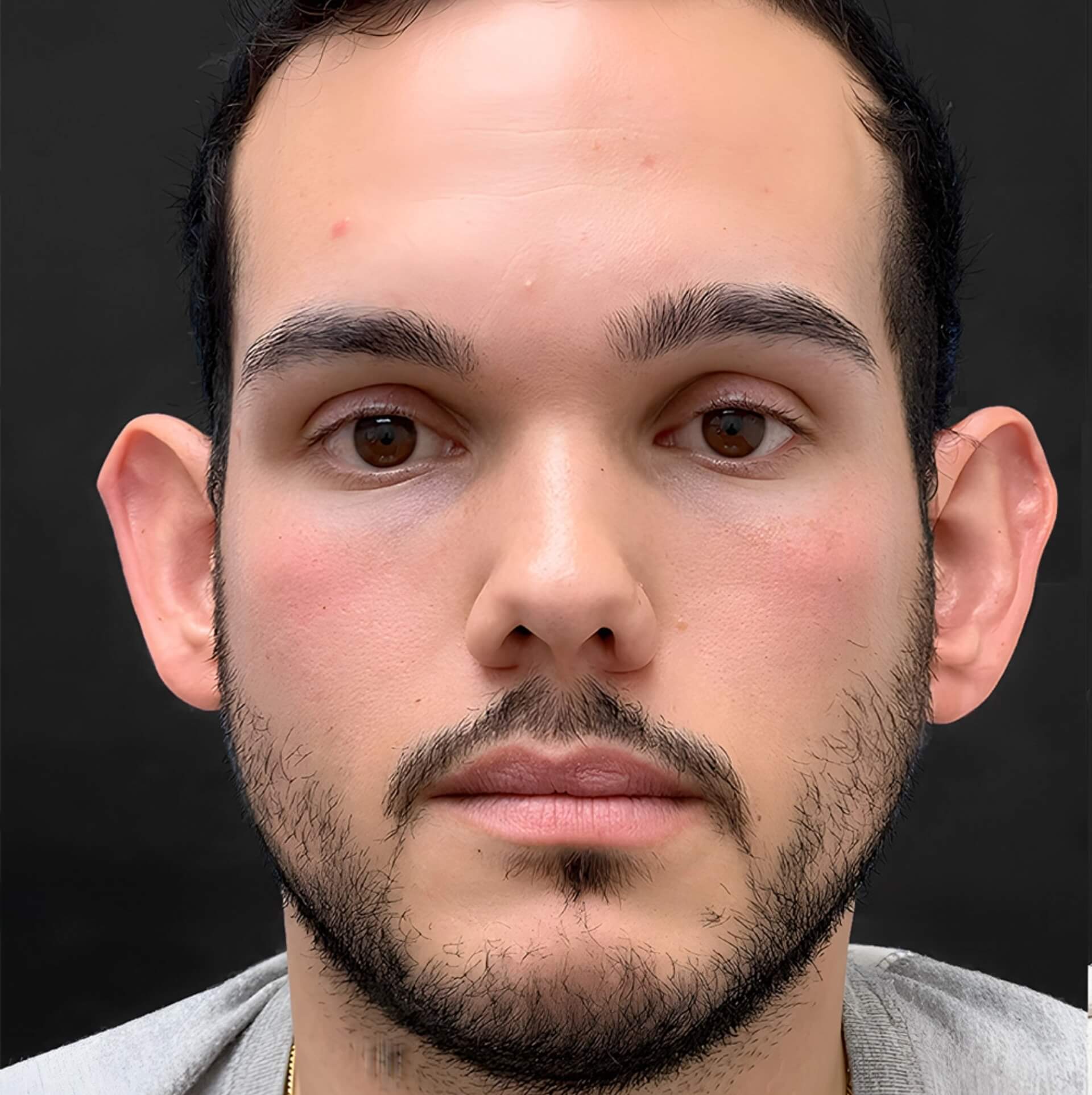
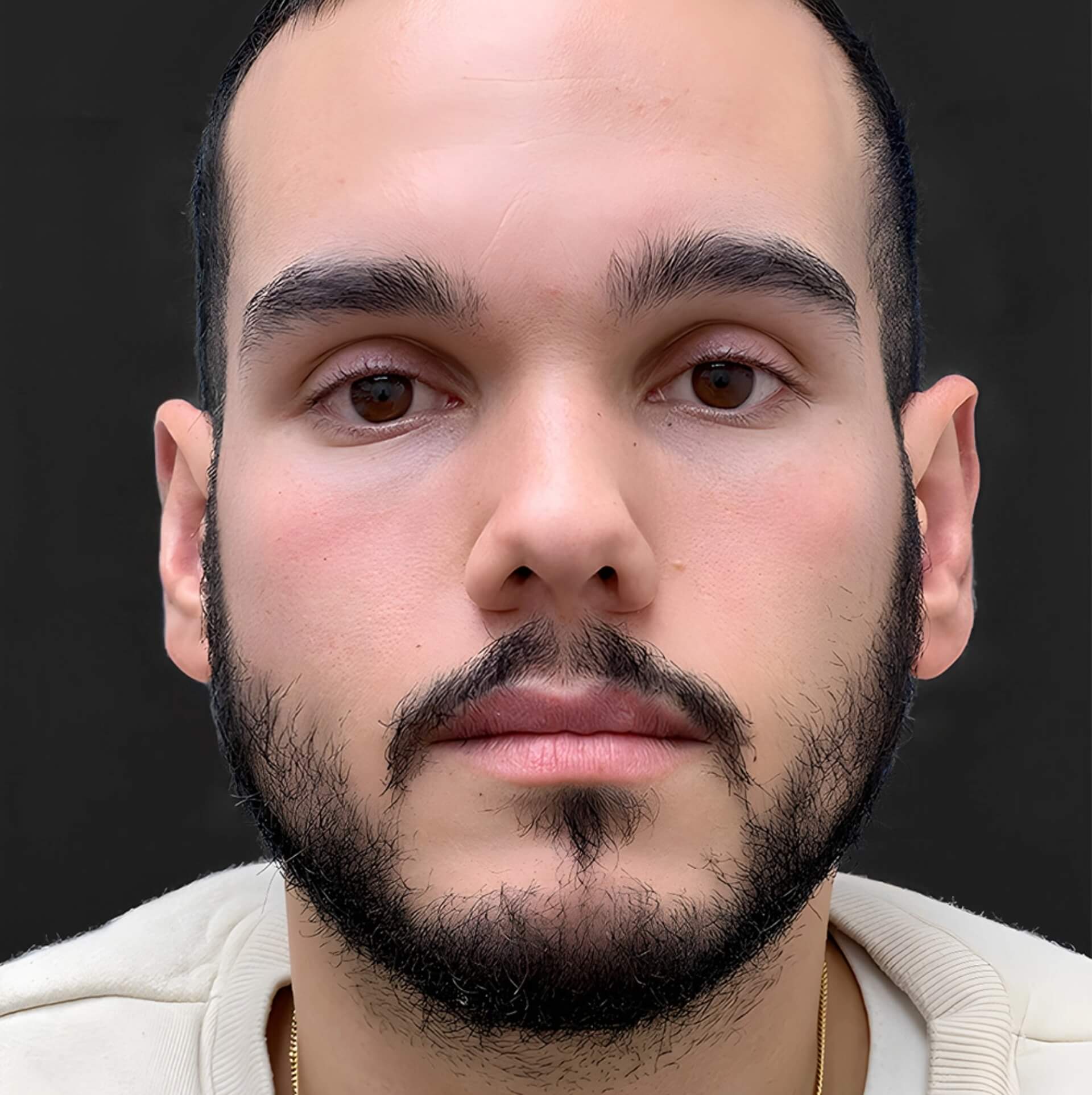
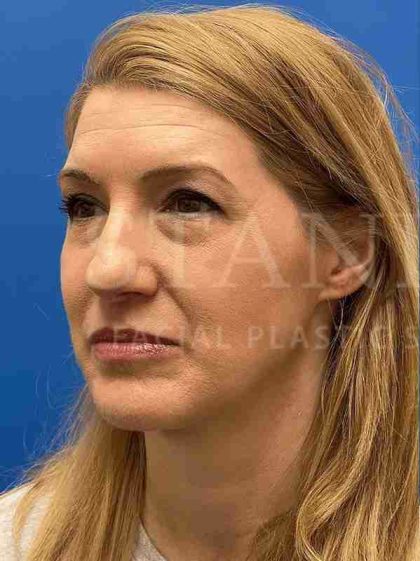
Before and After Photos


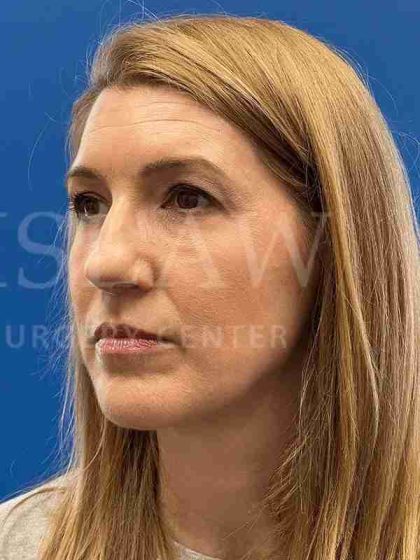
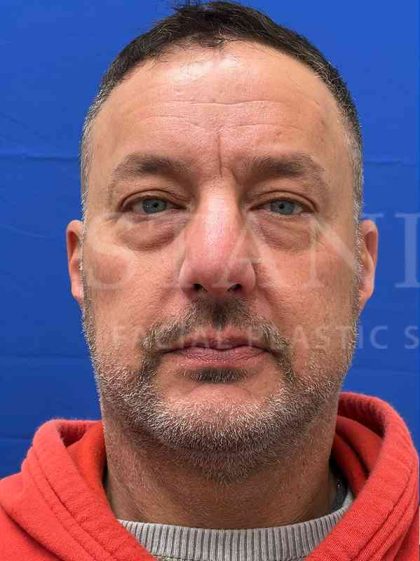
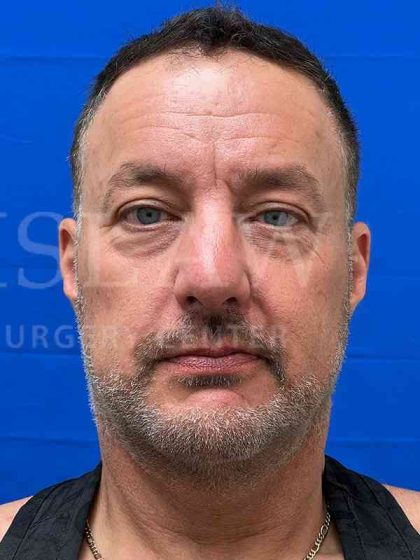
Ideal Candidates
If you are generally in good health, are a non-smoker, and have realistic expectations for upper eyelid or lower eyelid rejuvenation surgery, you are likely an ideal candidate for eyelid surgery.
Some of the reasons you may consider eyelid surgery are that you have skin laxity and fine wrinkles that give a “crepe paper” effect on your lower eyelids. Other noticeable symptoms that blepharoplasty can treat are dark circles, sagging skin, or bags under your eyes. Patients whose eyelid concerns center around sagging upper eyelid skin are likely a better fit for upper blepharoplasty.
Related Post: 5 Frequently Asked Questions About Eyelid Surgery
Benefits
- More youthful appearance
- Long-lasting results
- Removes excess skin
- Tightens sagging skin
- Boost in confidence
- Very minimal scarring
Procedure
There are a few options double board-certified oculoplastic surgeon Dr. Paul Stanislaw can offer for your blepharoplasty surgery, including non-surgical (but temporary) treatments:
- For improving puffiness and bags, a transconjunctival approach is used, where a small incision is made inside your eyelid. Using this plastic surgery method, you can remove excess fat, but not excess skin.
- To treat excess skin in the lower lids, an incision is made in the fold of the lower eyelid, from which your surgeon can easily perform fat and skin excision.
- For further face rejuvenation with any of these cosmetic surgery options, laser resurfacing, a chemical peel, or other facial surgery procedures can also be used for treating wrinkles and tightening any excessive skin laxity.
- Non-surgical options for lower eyelid blepharoplasty results can be found in the form of hyaluronic acid fillers. Temporary solutions for treating under-eye bags include dermal fillers like Restylane, which are injected into the tear trough to rejuvenate the area under the eye.
What to Ask
In your first meeting with plastic surgeon Dr. Stanislaw, it is helpful to come in with good expectations and specific questions to help you better understand expectations for a blepharoplasty as well as potential complications and recovery timeline. Although you don’t have to ask all these questions, here are a few examples of questions you can bring to a consultation.
- Am I medically eligible for this type of eyelid surgery?
- What are the risks of this plastic surgery procedure?
- What kind of results can I expect from this procedure?
- How long do you expect my results to last?
- Would you recommend any treatment besides blepharoplasty to address my concerns?
- Can blepharoplasty be performed with other facial plastic surgery procedures? If so, which would you recommend for the most effective results?
- What procedure will you use during the surgery?
By asking good questions and taking notes on Dr. Stanislaw’s answers during your consultation, you make yourself better informed about the blepharoplasty procedure and its expected results for your specific concerns. Notifying Dr. Stanislaw of any medical conditions is imperative to avoid unnecessary risks.
Scars
If Dr. Stanislaw uses the transconjunctival approach, no external incision is required, so there are no visible scars.
Recovery
The time of recovery from eyelid surgery varies from patient to patient, but most patients resume normal activities within 10 days after surgery.
After eyelid surgery, you may be monitored by our expert staff to ensure no immediate complications arise, after which you are released to recover at home. That day, you will likely experience symptoms such as pain or discomfort—which can be managed with over-the-counter pain medication—watering eyes, light sensitivity, puffy, numb eyelids, and swelling and bruising.
To promote a quick and full recovery, Dr. Stanislaw advises patients to keep their head elevated for the first seven days and to avoid any strenuous activities, including swimming, for about two weeks. Following these instructions will help reduce swelling. Usually, any swelling and bruising typically lasts two weeks.
Results Duration
The results of your lower eyelid surgery are long-lasting. Once the fat is removed from below the eyes, it does not grow back. However, no eyelid surgery can completely prevent the natural process of aging, including loss of skin elasticity around the eyes. Because of this, although a blepharoplasty is highly effective in correcting common signs of aging around the lower eyelids, it cannot provide permanent results.
Patients who undergo blepharoplasty report seeing the benefits of the surgery for five to seven years.
FAQs
Can droopy eyelids cause blurred vision?
Droopy eyelids can indeed contribute to blurred vision in some cases. When eyelids sag significantly, they might obstruct part of the visual field, causing the eye to struggle in focusing properly. This obstruction can lead to eye strain and difficulty in seeing clearly, which often results in blurred vision. Additionally, droopy eyelids can prompt individuals to lift their eyebrows or tilt their heads back to see better, further exacerbating visual discomfort and potential blurriness.
Can I sleep on my side after eyelid surgery?
After eyelid surgery, it is generally recommended to sleep on your back with your head elevated for at least the first few days to weeks following the procedure. This position helps minimize swelling and bruising by reducing fluid accumulation around the eyes while also protecting the surgical sites from pressure or inadvertent contact.
Does eyelid surgery leave scars?
As with any form of surgery, eyelid surgery does carry the risk of scarring. However, blepharoplasty is associated with minimal scarring, and incisions are created in inconspicuous areas.
How long after blepharoplasty do you see results?
After undergoing blepharoplasty, patients usually start to see noticeable results within two to four weeks as the initial swelling and bruising begin to subside. However, the final results may take several months to become fully apparent as the healing process continues and subtle changes occur.
How long are eyes blurry after blepharoplasty?
Blepharoplasty often results in temporary blurry vision. This is typically due to swelling and irritation in the eyes following surgery. Many patients experience blurred vision for a few days post-operation, with most noticing significant improvement within the first week. Following post-op instructions can ensure the eyes return to normal more quickly.
How long does it take for lower blepharoplasty scars to heal?
Lower blepharoplasty scars typically take several weeks to a few months to heal, but the exact timeline can vary depending on individual healing processes and post-operative care. In the first few weeks following surgery, patients may experience swelling and bruising, which gradually subsides as the body heals. Within two to three weeks, some improvement in appearance is often noticed. However, it may take three to six months for the scars to significantly fade and blend with the surrounding skin, becoming less noticeable. Proper care, including following post-operative instructions, maintaining a healthy lifestyle, and protecting the affected area from direct sunlight, can help in promoting optimum healing and minimizing the visibility of scars over time.
How much is an eyelid surgery?
The cost of eyelid surgery can vary significantly based on factors, including the complexity of the procedure. Eyelid surgery is individualized and a quote will be provided at the time of the consultation
Is drooping eyelid surgery covered by insurance?
Drooping eyelid surgery, commonly known as blepharoplasty, may be covered by insurance under certain circumstances. Typically, if the drooping eyelid significantly impairs vision or impacts daily activities, insurance companies may consider it a medically necessary procedure. On the other hand, if the surgery is sought for purely cosmetic reasons, insurance carriers are likely to deny coverage. It’s crucial to review your specific insurance policy details or contact your insurance provider for precise coverage information related to drooping eyelid surgery.
Is eyelid surgery painful?
Eyelid surgery is generally well-tolerated by patients and often involves only mild discomfort. Local or general anesthesia is administered to ensure you’re comfortable.
Is eyelid surgery safe?
Eyelid surgery is generally considered a safe procedure when performed by a qualified and experienced plastic surgeon like Dr. Stanislaw. It is a popular cosmetic surgery option for individuals looking to enhance the appearance of their eyelids, address drooping or sagging skin, and improve vision obstructed by excess eyelid skin. Like any surgical procedure, there are potential risks and complications, which can include bruising, swelling, infection, or adverse reactions to anesthesia. However, the vast majority of patients experience positive outcomes and are satisfied with the results.
What are the risks of eyelid surgery?
Eyelid surgery is a cosmetic procedure aimed at improving the appearance of the eyelids, but like any surgery, it carries certain risks. Some of the common risks associated with eyelid surgery include infection, bleeding, scarring, dry or irritated eyes, difficulty closing eyes fully, and temporary changes in eyelid sensation.
What can I expect after eyelid surgery?
After eyelid surgery, patients can typically expect some swelling and bruising around the eyes, which generally subsides within one to two weeks. During the initial days following the surgery, it’s common to experience mild discomfort in the eyelid area, as well as temporary blurry vision due to swelling. It is important to rest and follow post-operative care instructions to achieve optimal results. Most patients are able to return to normal activities within 10-14 days, although it’s advised to avoid strenuous activities for a few weeks.
Is eyelid surgery right for me?
Eyelid surgery might be right for you if you’re experiencing sagging or drooping eyelids that affect your vision or if you desire a more youthful appearance around the eyes. This procedure can address issues such as excess skin, puffiness, and bags under the eyes, offering both aesthetic and functional benefits. Ideal candidates for eyelid surgery are typically adults with healthy facial tissue and realistic expectations.
Contact Us
Do you wish your eyes weren’t so tired-looking even when you’re most alert? If drooping eyelids or excessive bags are causing you to lose self-confidence when you look in the mirror, a lower eyelid blepharoplasty may be right for you.
At Stanislaw Facial Plastic Surgery Center in Connecticut, we have skilled staff led by double board-certified plastic surgeon Dr. Paul Stanislaw, who is ready to help you regain youthfulness in your eyes. Call us at (860) 409-1515 or contact us online to start the conversation about blepharoplasty and how it can benefit you today.