Skin Cancer Removal
Conveniently located to serve the areas of Avon and Hartford, CT
Skin cancer is one of the most common forms of cancer. Each year, nearly 13 million Americans receive a diagnosis. (1) Though this high figure represents a common occurrence, it does not make your struggle any easier, nor does it reduce concerns regarding potential disfigurement or scarring after treatment. (1) Dr. Stanislaw understands these concerns, and he helps his patients achieve a smooth, natural appearance after their skin cancer removal.
Dr. Paul Stanislaw is one of Connecticut’s leading board-certified plastic and reconstructive surgeons. With more than three decades of experience, Dr. Stanislaw passionately helps his patients overcome their challenges with exquisite surgical technique. As he puts it, he does not just want to address your concerns; he wants to make them disappear so others pay attention to your eyes.
If you recently received a skin cancer diagnosis and wish to explore your reconstruction options before beginning treatment, please reach out today to explore your options! Submit our online contact form or call our Avon office at (860) 409-1515 to schedule an initial consultation.
Contents
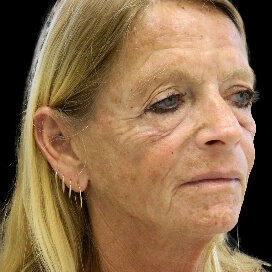
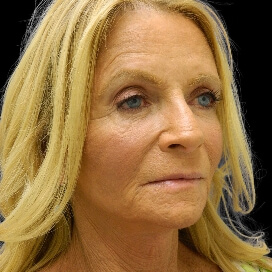
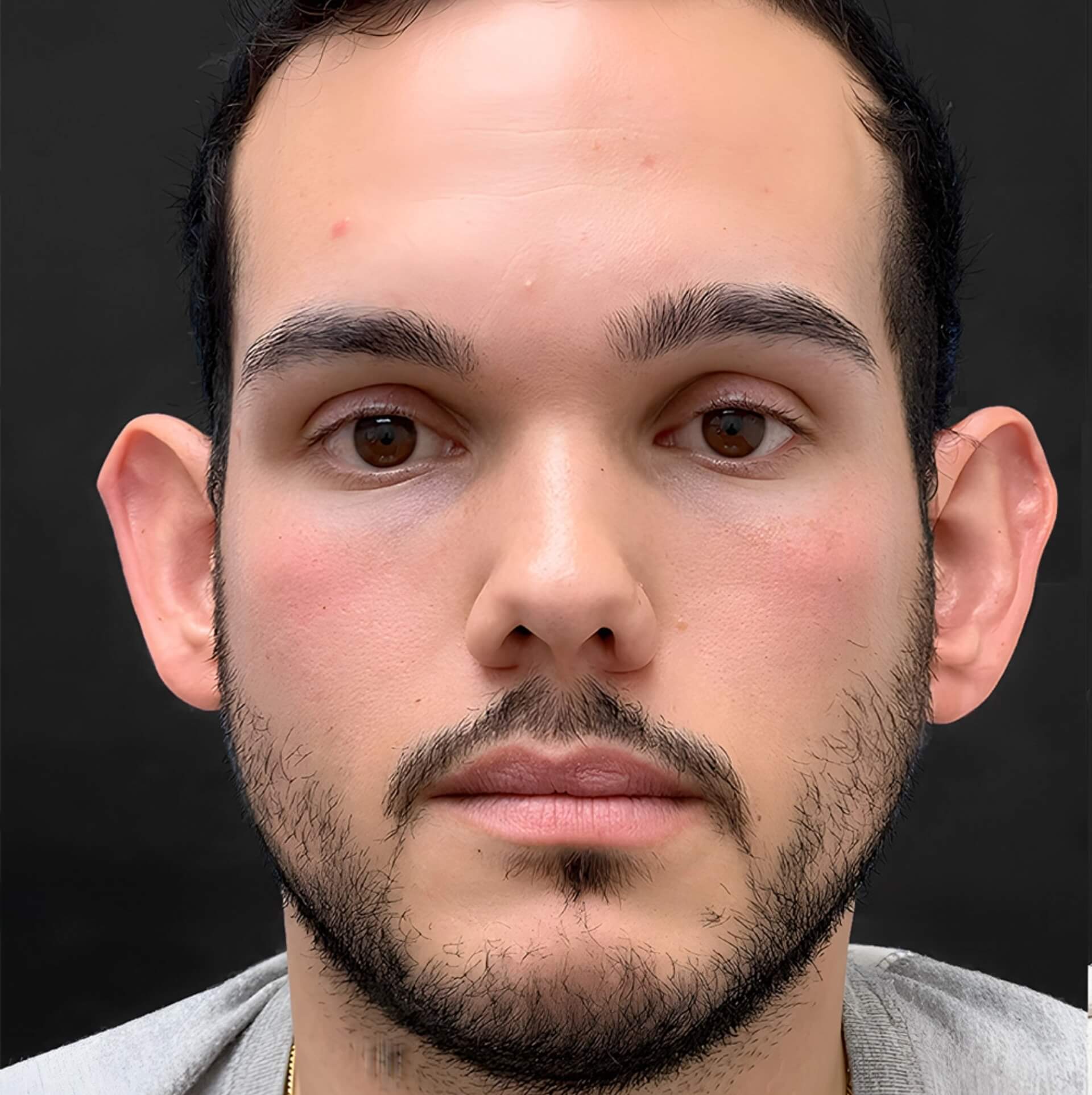
Before and After Photos


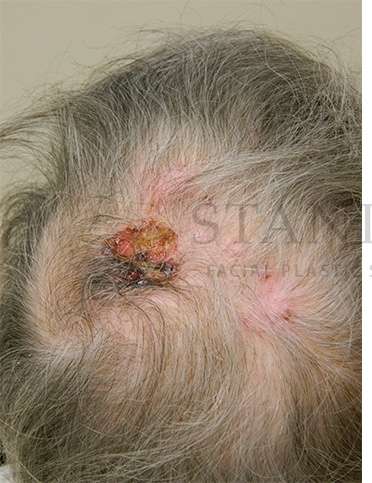
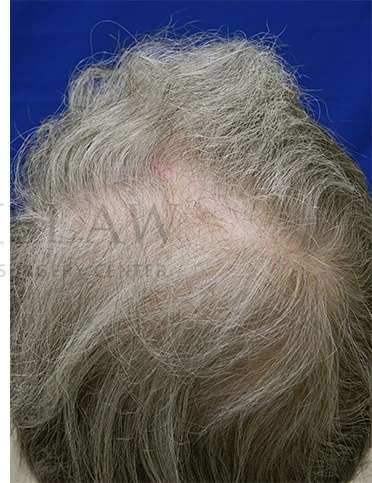
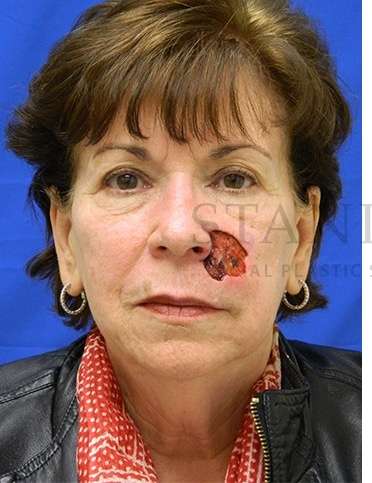
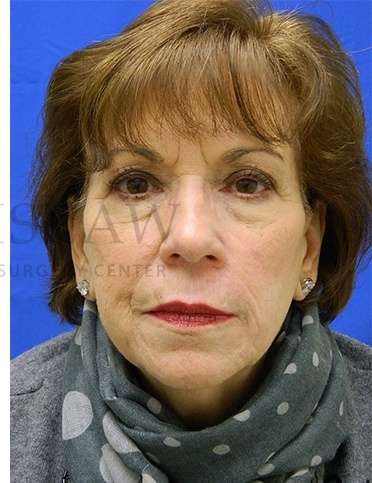
About Skin Cancer Removal and Reconstruction
Skin cancer removal is a surgical procedure that involves removing skin cancer from the skin. (2) Once your dermatologist identifies a concerning lesion as skin cancer, you will have the opportunity to explore your treatment options. These include topicals, oral medications, radiation therapy, and more, but the most effective methods are excision or Mohs surgery. In excision, a surgeon will remove the lesion. Mohs surgery is more refined, removing all of the lesion and the surrounding tissue to ensure no cancerous cells remain. In either method, your surgeon will send tissue samples to a pathology lab for analysis.
About Mohs Surgery
If the lesions are not fully defined, recurring, or in a place that is difficult to reconstruct (such as the eyelid or nose), Mohs surgery (also called Mohs micrographic surgery) presents an effective solution. (3) A Mohs surgeon – a dermatologist who is trained for this type of surgery – removes the cancer, and Dr. Stanislaw does the reconstruction. This specialized technique removes all of the cancerous tissue and cells while leaving as much unaffected tissue intact as possible. (3) Dr. Stanislaw works with several surgeons in the area to perform this type of treatment. He can gladly provide you with a recommendation or referral.
Benefits
Removing your skin cancer and reconstructing your appearance, especially under the care of a collaborative team including a dermatologist, a Mohs surgeon, and Dr. Stanislaw, brings several advantages, including:
- Preventative treatment: Proper treatment early on can prevent the cancerous growths from spreading, either to other skin cells or to other parts of the body.
- Better chance of curing: Skin cancers respond greatly to removal. Early intervention enhances these chances.
- Reduced recurrence risk: Removing all of the cancerous cells in the skin significantly decreases the chance of new growth.
- Peace of mind: Undergoing a skin cancer removal procedure will clear your worries about malignant growths and give you the confidence that you are on top of your health.
- Regained confidence: Upon receiving their skin cancer diagnosis, many patients fear they’ll have to live with scars after removal. Dr. Stanislaw’s reconstructive techniques help patients regain confidence in their appearance.
- Preserved appearance: With Dr. Stanislaw’s advanced care, you will be able to regain a smooth, natural appearance after treatment.
Candidates
Anyone who has a skin cancer diagnosis can meet with Dr. Stanislaw to explore their reconstruction possibilities as they plan their removal with their dermatologist and/or Mohs surgeon. If you have a skin growth that you are concerned about, we ask that you first seek a proper diagnosis before exploring reconstruction.
To qualify for treatment, you must be in good general health and hold realistic expectations about achievable outcomes. Dr. Stanislaw will finalize your candidacy during your consultation.
Personal Consultation
Skin cancer reconstruction with Dr. Stanislaw is a collaborative process between him, you, your dermatologist, and your Mohs surgeon (if applicable for your treatment). Upon receiving a skin cancer diagnosis from a dermatologist, you will be able to explore various treatment options. If you pursue removal, either through excision or Mohs surgery, they will explain that process and/or refer you to a Mohs surgeon. Before your removal procedure, you can meet with Dr. Stanislaw to explore your reconstruction options. At this appointment, Dr. Stanislaw will analyze the type of growth present and its size and location, review your medical history, and discuss your goals to tailor a treatment plan to your unique case.
He will also outline preparation requirements, what you can expect during your surgery, and important recovery guidelines. Finally, he will also answer any questions you may have, as he wants this meeting to be informative and empowering. After finalizing all details, you will schedule your procedure.
Book your consultation today to explore your skin cancer reconstruction options. If you have any questions or would prefer to schedule over the phone, please call our Avon office directly at (860) 409-1515.
Preparation
Dr. Stanislaw will provide detailed preparation instructions during your consultation. The exact guidelines you will receive will vary depending on your medical history, the type, location, and size of your skin cancer, and other factors. However, all patients should:
- Prepare their skin: Complete their skincare routine before treatment, and arrive at the procedure without makeup, lotions, deodorant, fragrances, or other products.
- Avoid certain medications: Cease the use of aspirin, fish oil, and other medications or supplements with blood-thinning or antiplatelet properties.
- Remove jewelry: Remove and safely store any necklaces, earrings, or facial piercings that may interfere with treatment.
- Make the proper arrangements: Take time away from work and social commitments to recover without burdens, and have someone assist you at home.
- Pick up prescriptions: Make sure you have any prescribed medications on hand before the day of your procedure.
- Plan transportation: Have a trusted friend or family member safely transport you home after your procedure.
Procedure
In most cases, Dr. Stanislaw will collaborate with your Mohs surgeon to perform both surgeries on the same day. Generally, patients undergo their Mohs surgery in the morning, then come to Dr. Stanislaw in the afternoon for reconstruction. He performs these procedures with local anesthesia, which avoids the grogginess or other unpleasant effects of sedation. Dr. Stanislaw can employ several different reconstruction techniques after your skin cancer removal. The method that is best for you depends on the type (basal cell skin cancer and squamous cell skin cancer), size, and location of the skin lesion. (2,3)
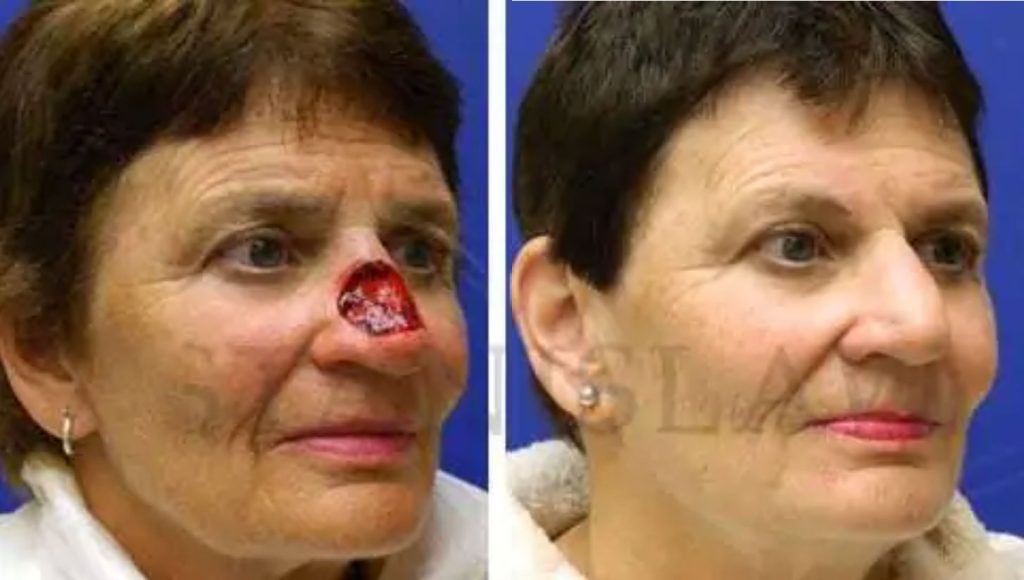
Small lesions may require minor suturing. Any large lesion that is removed may be reconstructed using a local flap. (2) The recovery with this procedure is quickest. Dr. Stanislaw repositions adjacent healthy tissue over the surgical wound. He then places stitches in a manner that follows the natural curves and creases of the face or other affected body parts. Select cases, often those where the cancer was on the nose, require a 2-stage pedicle method. In these procedures, Dr. Stanislaw will create a pedicle flap over the target area, then allow it to heal for a few weeks. Once it heals, he will shape and reconstruct it to optimal appearance and function in a second surgery.
It is also possible that Dr. Stanislaw will opt for a skin graft instead of using the local flap. This graft is a thin layer of skin that he takes from another part of your body and relocates to the site of the wound. This depends on the different variables, the patient, and the size of the skin cancer. Should you need any revisions in the following year post-procedure, Dr. Stanislaw can inject steroids or dermal fillers to smooth contours or add volume.
Recovery
The incision lines continue to heal over weeks or months. Initially, the surgical site may be red and mildly uncomfortable. Dr. Stanislaw recommends cleaning the surgical site with hydrogen peroxide and applying a petroleum jelly barrier. You can elevate your head to promote circulation, but you should not apply any ice or cold compresses. Dr. Stanislaw will prescribe antibiotics to fight infection, and patients rarely require any pain medications. You must follow all cleaning and medication intake instructions from Dr. Stanislaw. You must also avoid any stress on your wounds or sutures at all costs.
After one week, you will return to have your sutures removed. You will also return for follow-up appointments at one and three months where Dr. Stanislaw will analyze your healing progress and developing results.
Within a year, your incision lines will begin to fade. Throughout this period, it is important to limit harmful exposure to the sun and not subject your incisions to excessive abrasion, force, or motion while healing. Dr. Stanislaw recommends wearing a good quality sunblock with zinc oxide every day.
Results
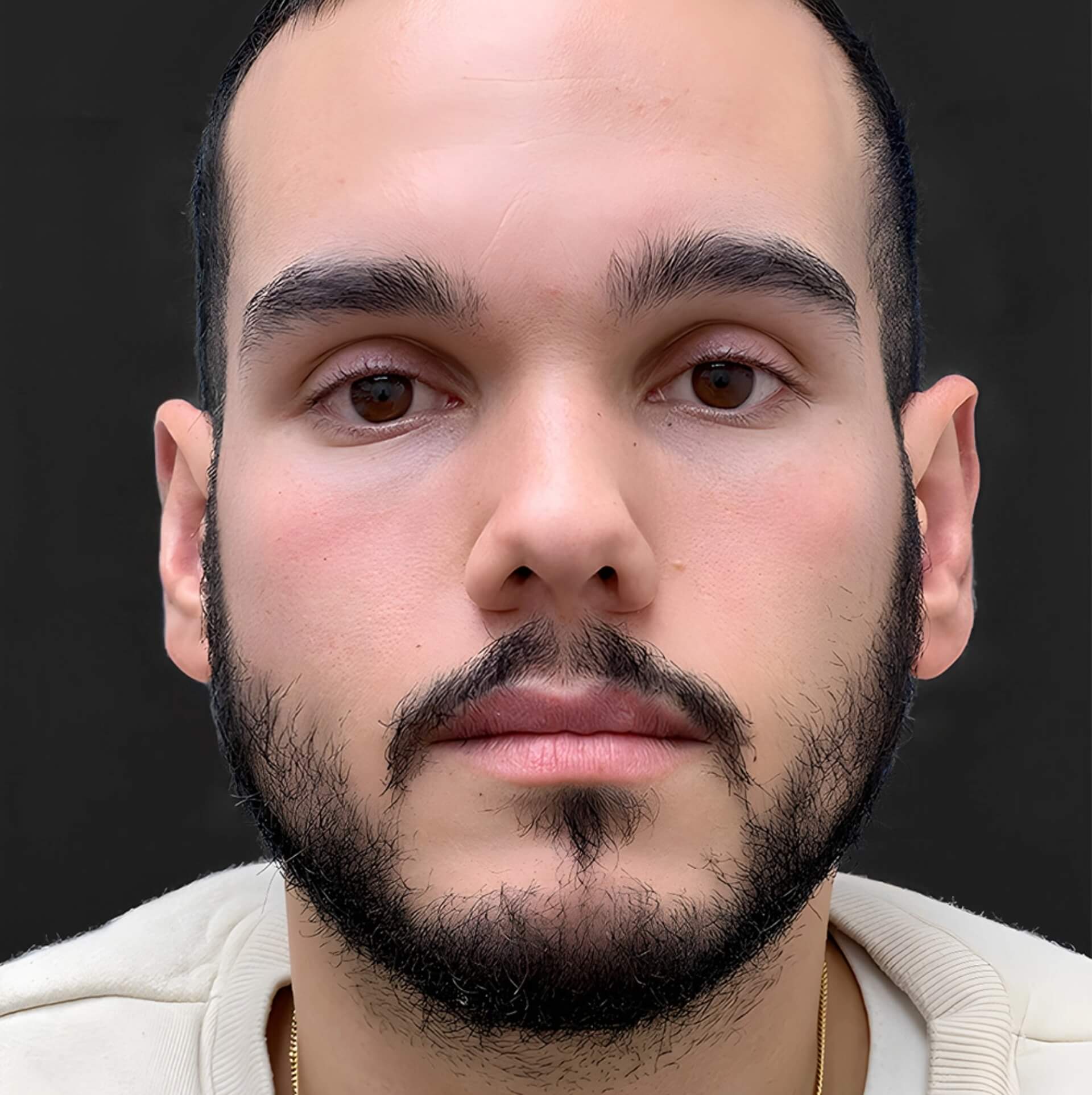
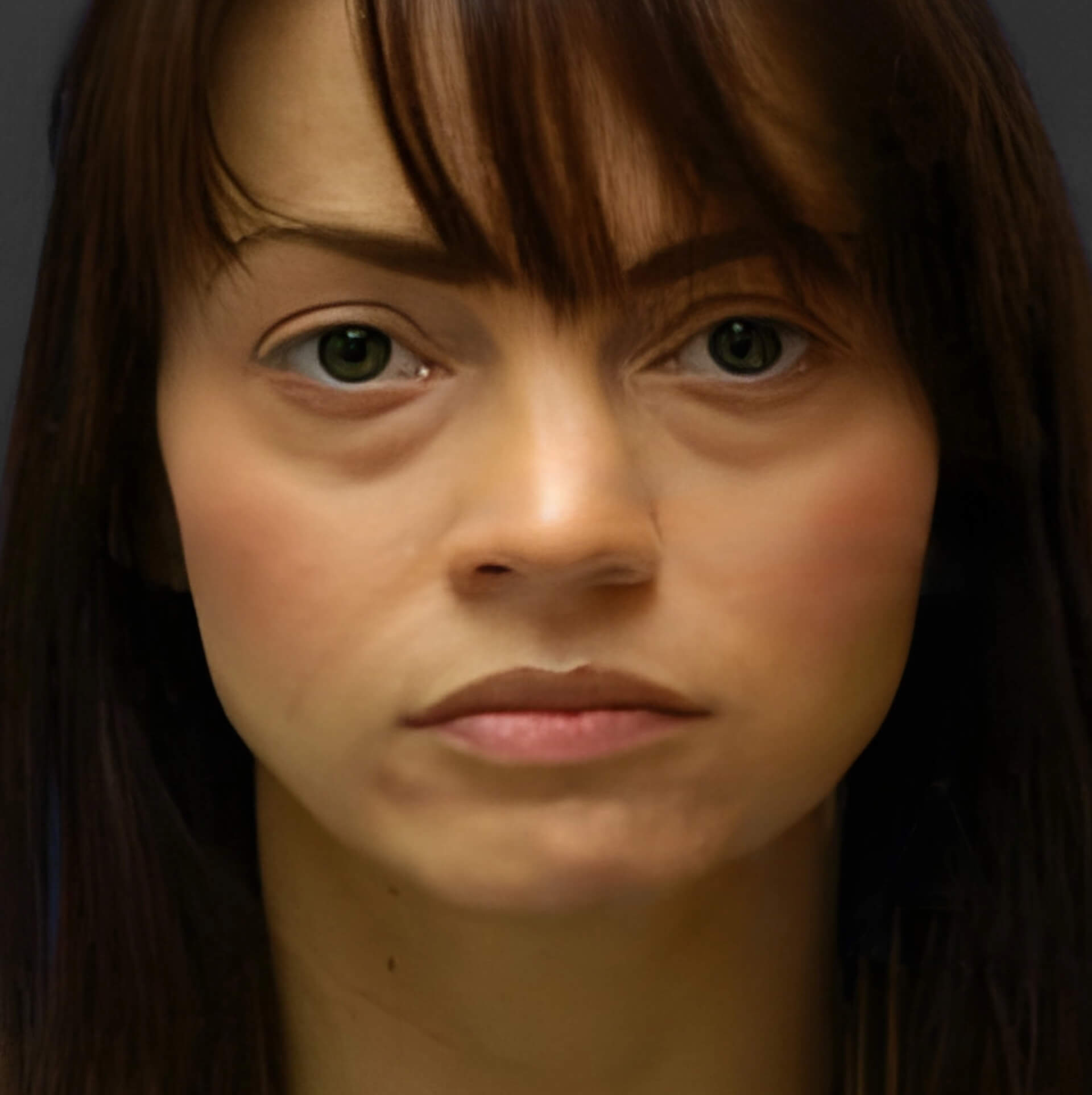
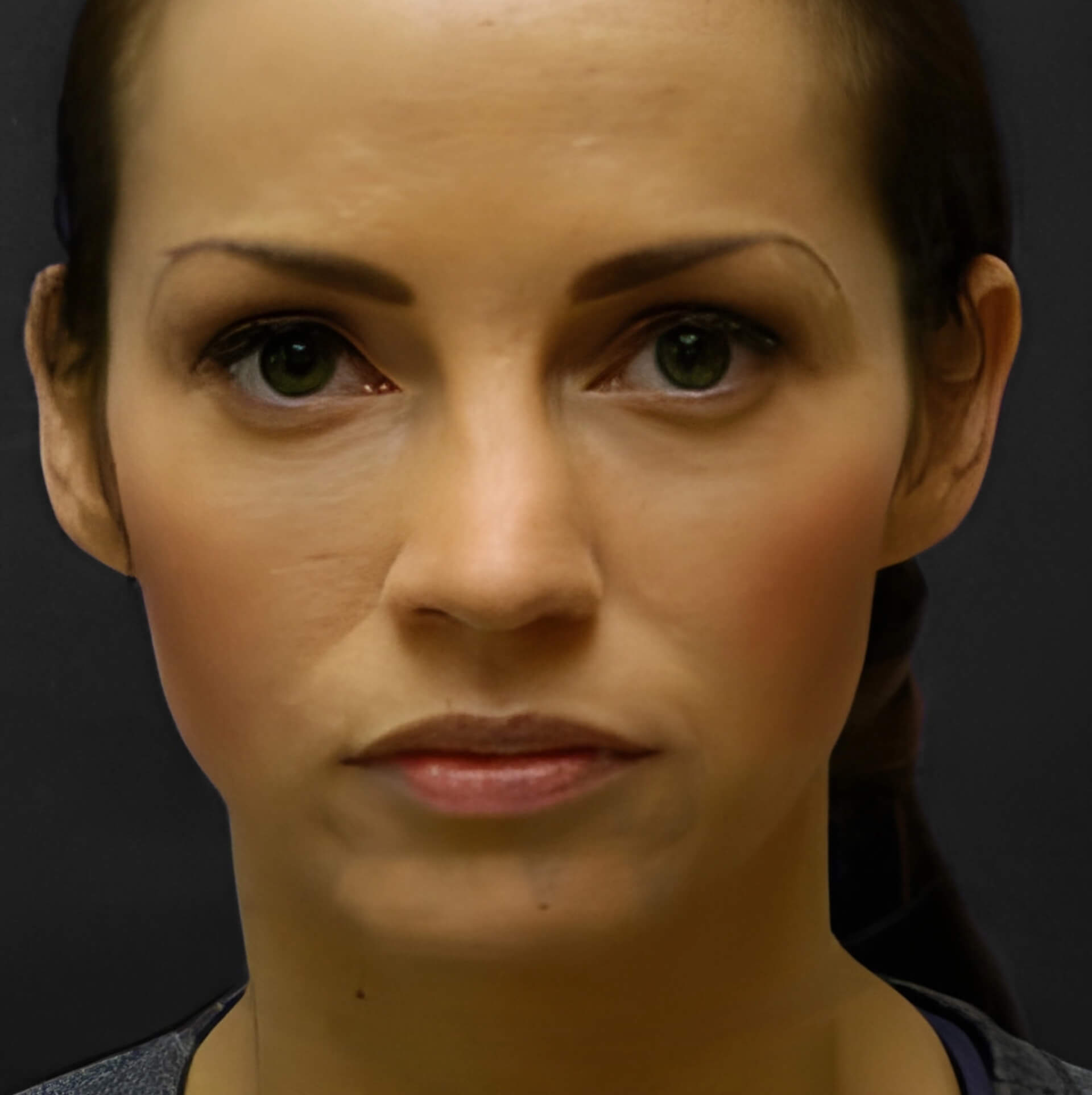
After recovering, you will be able to enjoy smooth skin that has healed with almost no sign of cancer removal. Dr. Stanislaw’s meticulous techniques create a smooth, natural appearance after your removal procedure.
Above all else, you will benefit from knowing that the Mohs surgery has removed your skin cancer.
Cost of Skin Cancer Reconstruction in Hartford, CT
The cost of your skin cancer reconstruction procedure will vary depending on several factors, including the type of cancer present, its size and location, your personal goals, and more. After establishing a treatment plan at your consultation, Dr. Stanislaw will provide an accurate cost estimate.
Dr. Stanislaw does not participate with commercial insurances, medicaid, or medicare. Patients pay a fee for this procedure and his services. Patients with commercial insurance can submit fees to their insurance as an out-of-network provider. However, if you have medicaid or medicare, it is against the law to submit claims from out-of-network providers. Should you have any questions about navigating this process, our team can help.
Schedule your consultation today to explore your treatment options. If you have any questions or prefer to schedule over the phone, please call us directly at (860) 409-1515.
FAQ
How do I know if I have skin cancer?
If you have a skin lesion that is irregularly shaped, new, painful or itchy, or growing, then you may want to seek a diagnosis. The only way to properly identify if a growth is cancerous is by seeing a specialist.
What are my options if I have skin cancer?
You have a few different treatment options. Some skin cancers will respond to radiation or topical treatments, others will require surgical excision. Some require a combined approach.
Is skin cancer reconstruction painful?
You will receive local anesthesia to keep you comfortable throughout treatment. Patients report mild, manageable discomfort during their recovery and rarely require pain medications.
Do all skin cancers require Mohs surgery?
Not all skin cancers require Mohs surgery, but it is an effective technique for many.
Is Dr. Stanislaw a dermatologist or Mohs surgeon?
No, Dr. Stanislaw is a plastic and reconstructive surgeon. He will work with your dermatologist and/or Mohs surgeon to create a smooth, effective reconstruction plan after your skin cancer removal.
References
- Coups EJ. Lack of Knowledge of Type of Skin Cancer Diagnosis. Archives of Dermatology. 2010;146(10):1177-1178. doi:https://doi.org/10.1001/archdermatol.2010.274
- Lisa AVE, Vinci V, Galtelli L, et al. Outpatient Nonmelanoma Skin Cancer Excision and Reconstruction: A Clinical, Economical, and Patient Perception Analysis. Plastic and Reconstructive Surgery – Global Open. 2022;10(1):e3925. doi:https://doi.org/10.1097/gox.0000000000003925
- Prickett KA, Ramsey ML. Mohs Micrographic Surgery. PubMed. Published 2020. https://www.ncbi.nlm.nih.gov/books/NBK441833/