
Otoplasty
Conveniently located to serve the areas of Avon and Hartford, CT
Otoplasty is a reconstructive surgery that can adjust the alignment, protrusion, and shape of the outer ear. (1) This procedure is also referred to as ear pinning surgery, ear reduction surgery, or ear correction surgery, and it typically corrects the appearance of protruding or overly-large ears.
At Stanislaw Facial Plastic Surgery Center, Dr. Paul Stanislaw Jr. can perform an otoplasty to restructure your ears and bring them closer to your head to create a smaller, more proportionate appearance.
Dr. Stanislaw is a double board-certified facial plastic & reconstructive surgeon with more than 25 years of experience. He is certified by both the American Board of Facial Plastic & Reconstructive Surgery and the American Board of Otolaryngology-Head & Neck Surgery. Dr. Stanislaw strives to provide natural-looking results that show no signs of intervention, helping you restore an appearance that looks and feels like you–but better.
To start working with Dr. Stanislaw, please schedule a consultation online or call our Avon office at (860) 409-1515.
Contents
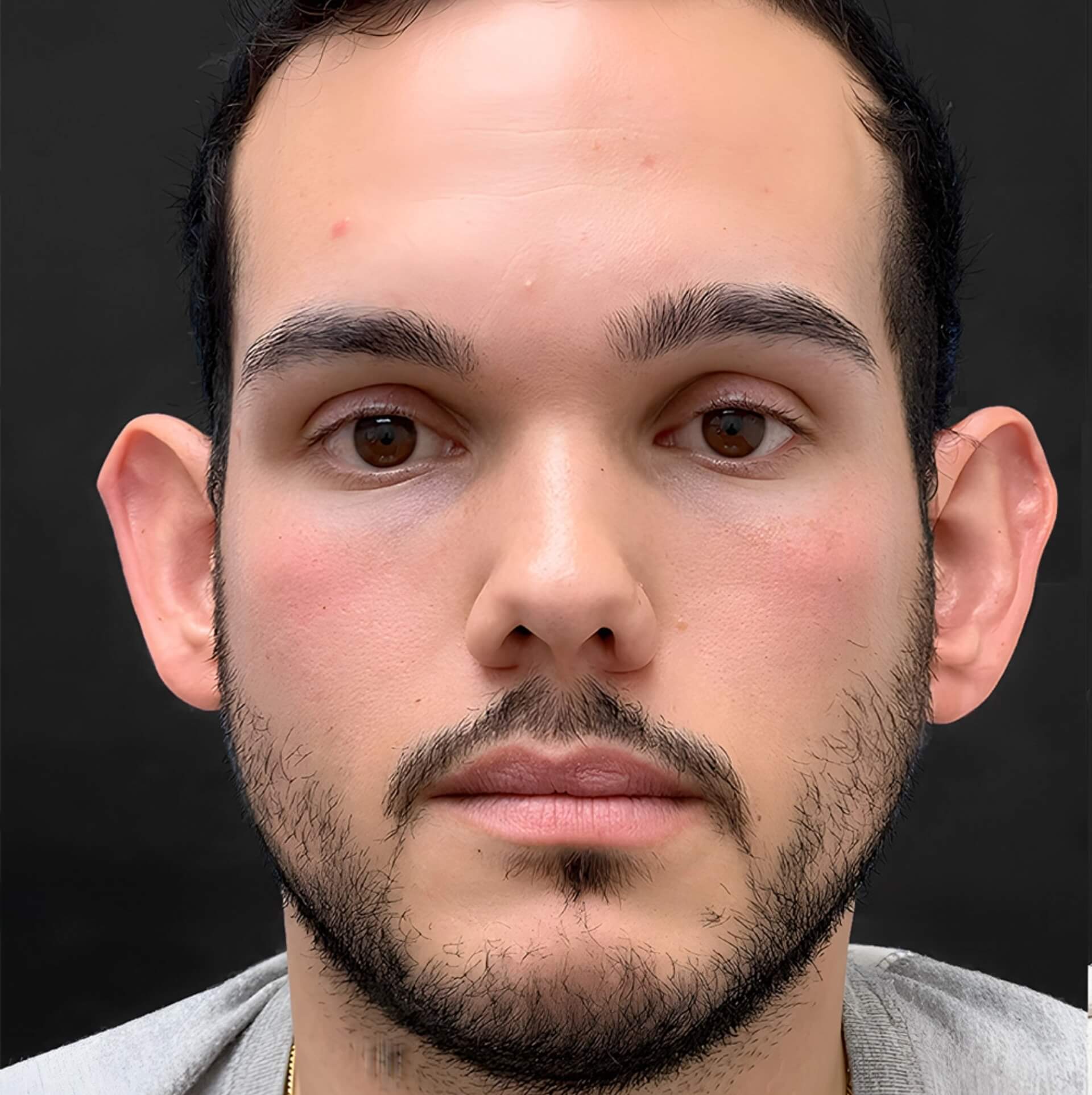
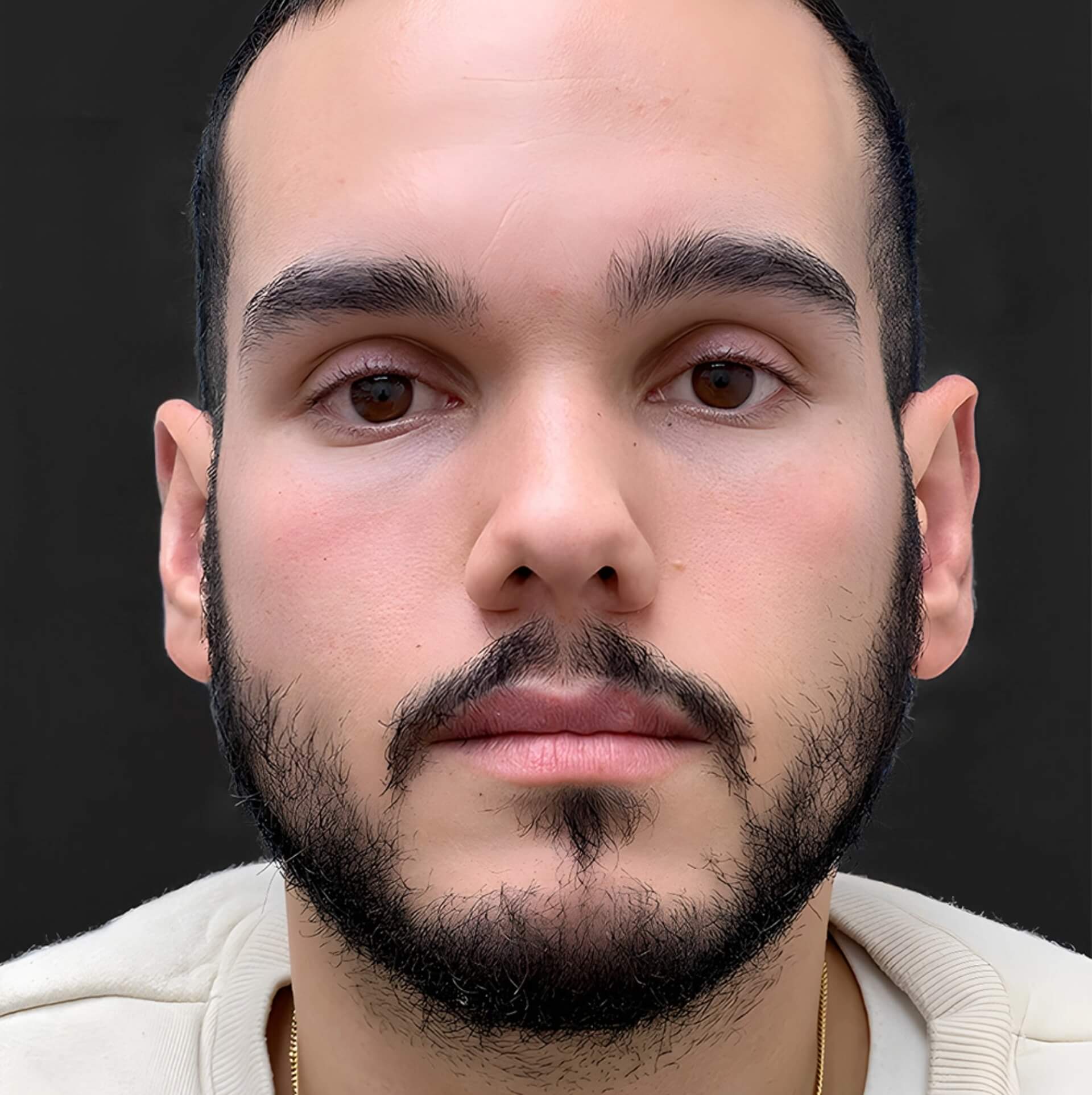
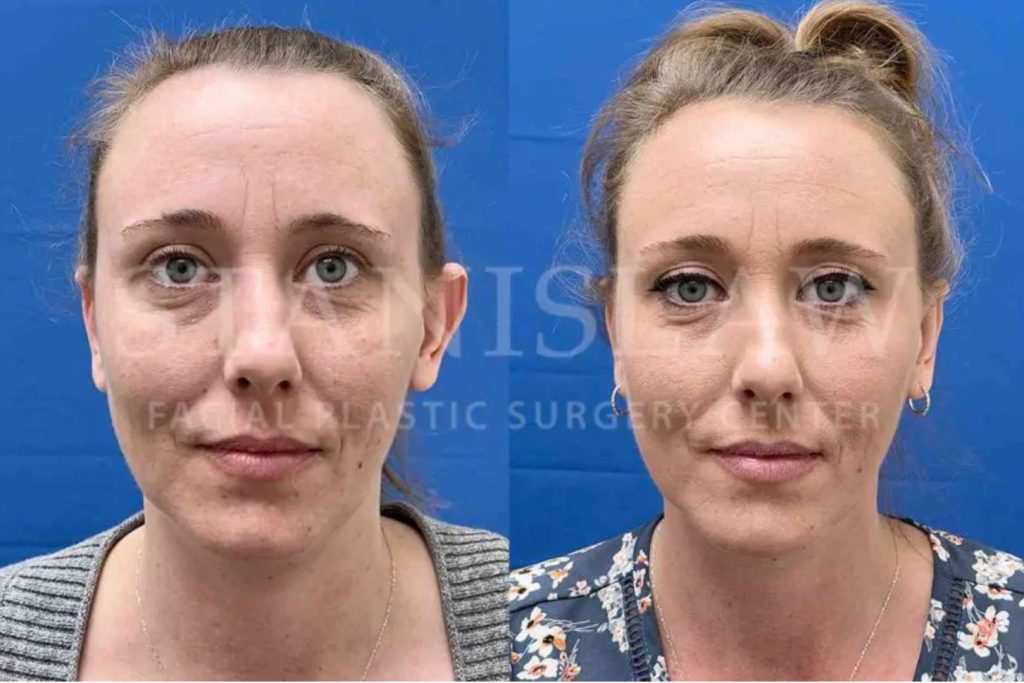
Before and After Photos


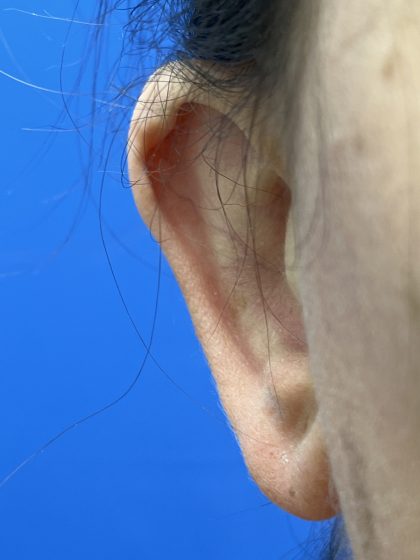
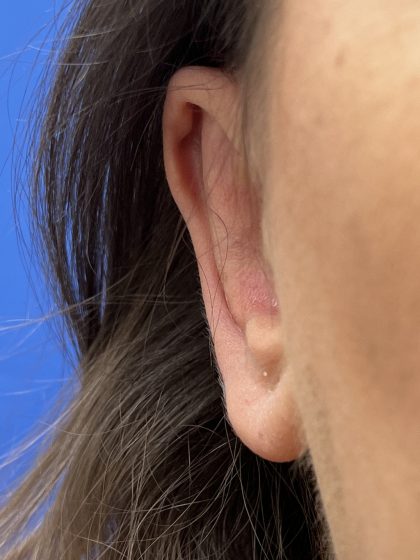
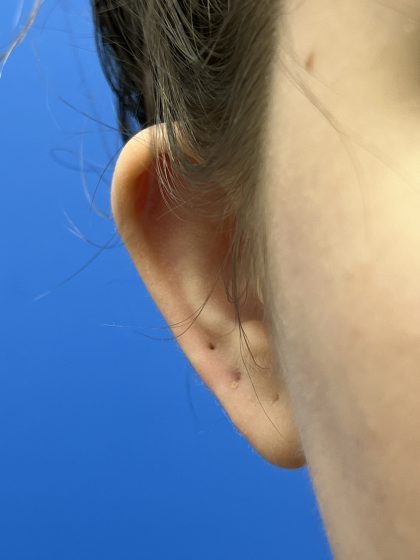
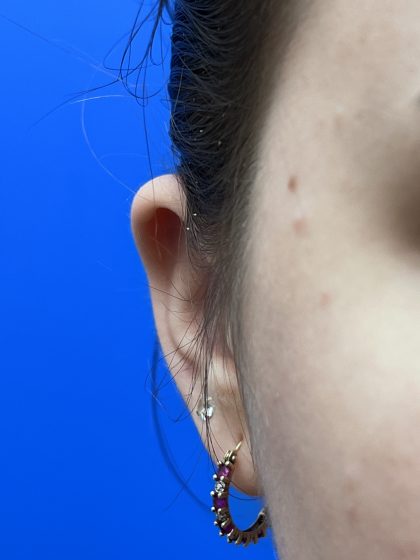
About Otoplasties
An otoplasty procedure is a cosmetic and reconstructive procedure that can reshape the ears to correct the appearance of auricular deformities or irregularities. Cartilage manipulation and tissue remodeling principles form the foundation of this procedure, which allows Dr. Stanislaw to reshape structures of the ear for a more natural-looking shape.
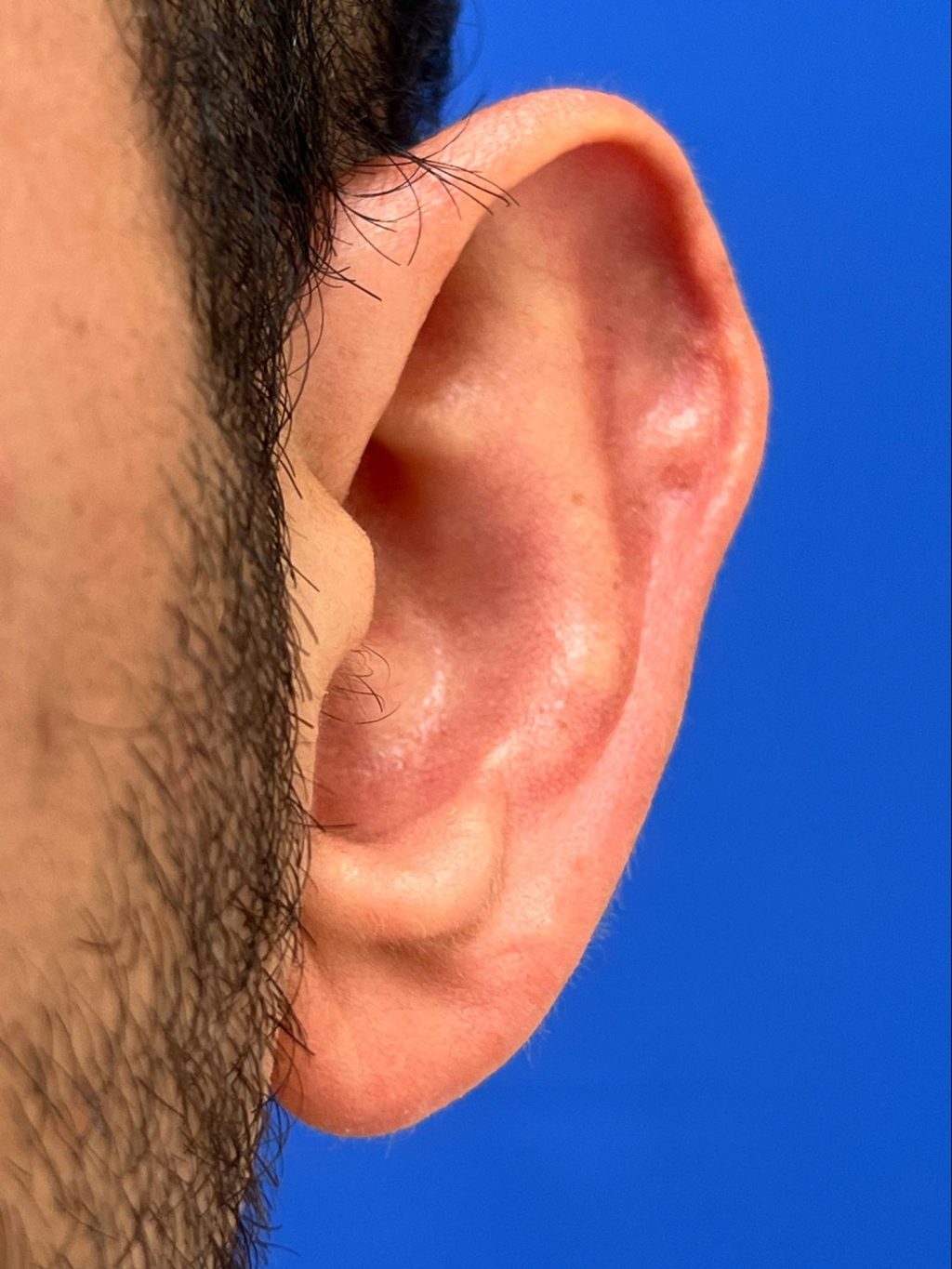
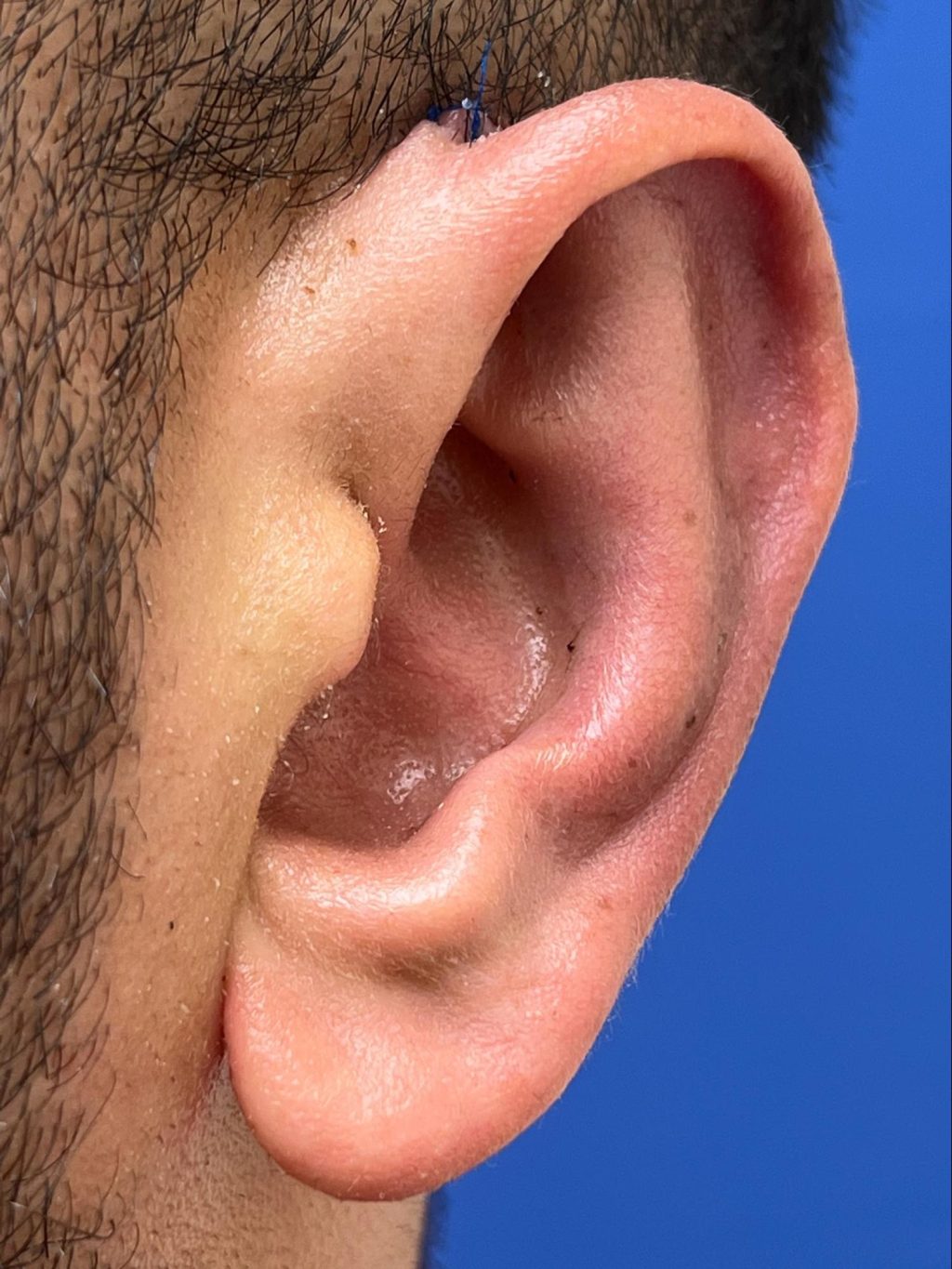
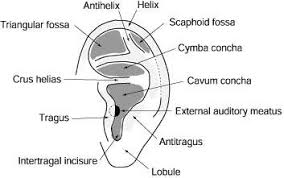
The ears primarily consist of cartilage, which is a flexible yet firm connective tissue. Dr. Stanislaw can sculpt and reposition through strategic incisions and suturing techniques. (2) He typically adjusts areas such as Darwin’s tubule,the antihelical fold, conchal bowl, and more.
As you heal, your body’s natural healing process will secure your ear’s new shape as sutures reinforce your new adjustment. Because cartilage has a memory, you must seek the precise surgical expertise of a board-certified surgeon, such as Dr. Stanislaw, to ensure long-term results while maintaining the structural integrity and function of your ears.
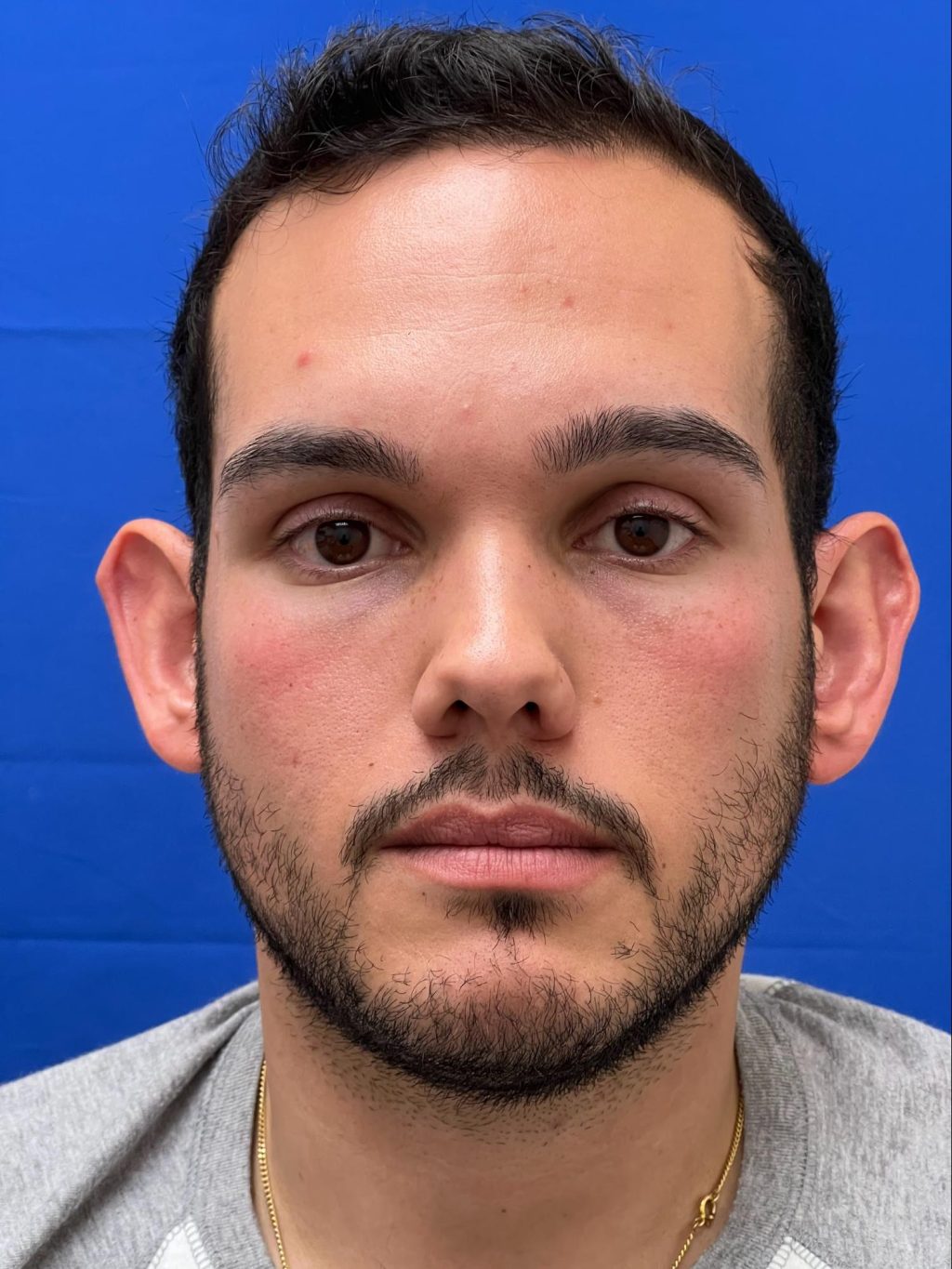
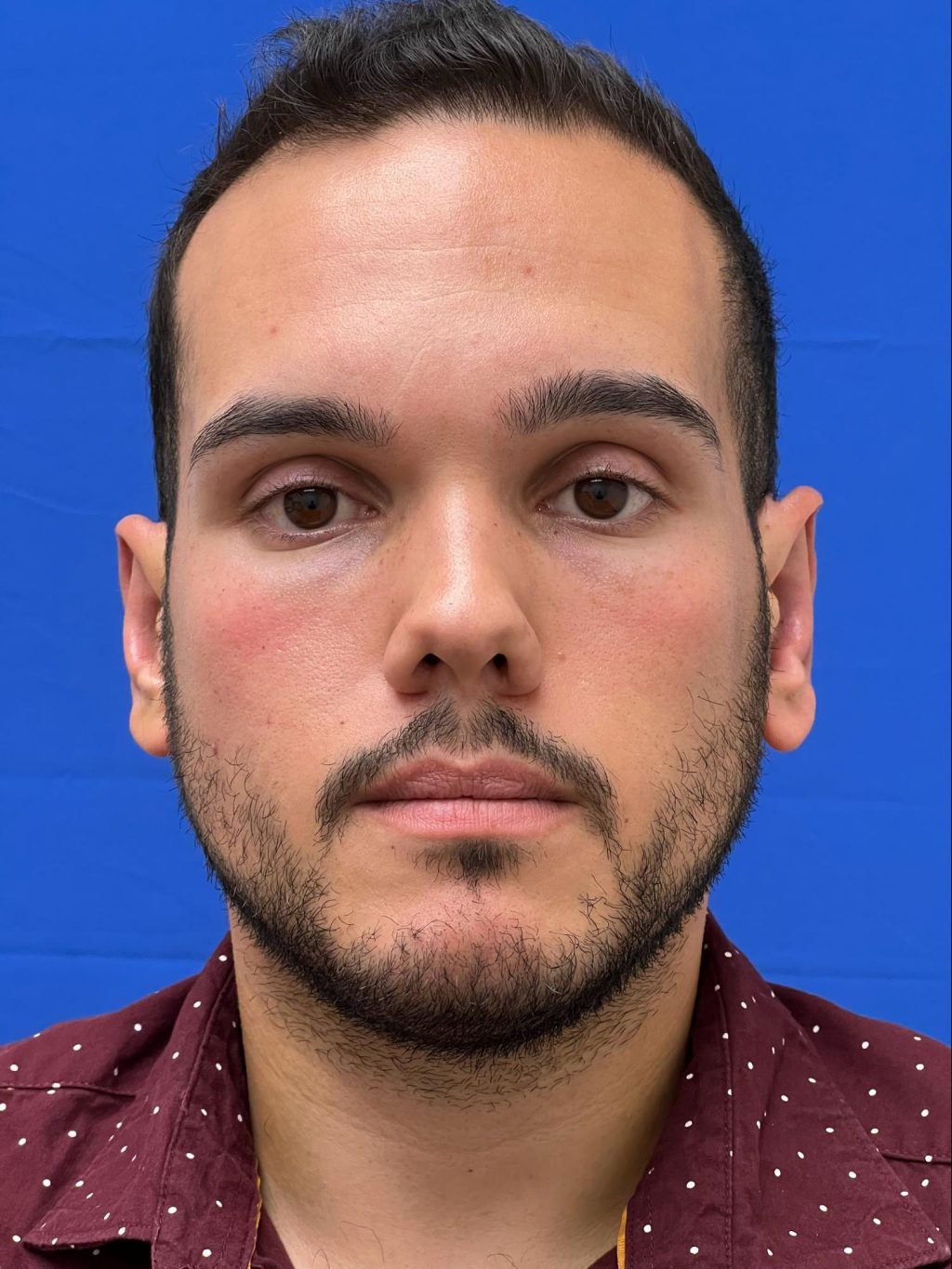
Pediatric Otoplasty
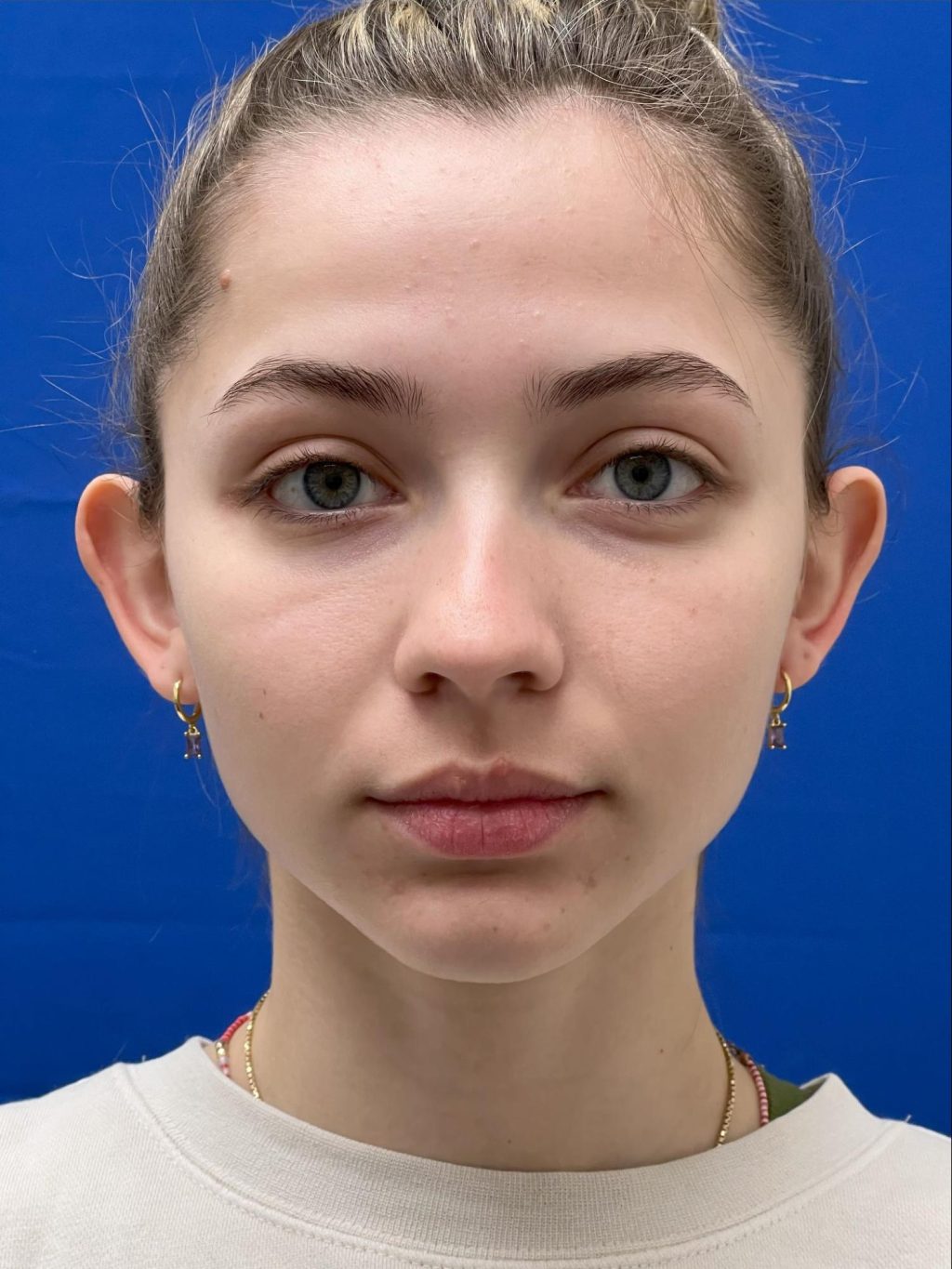
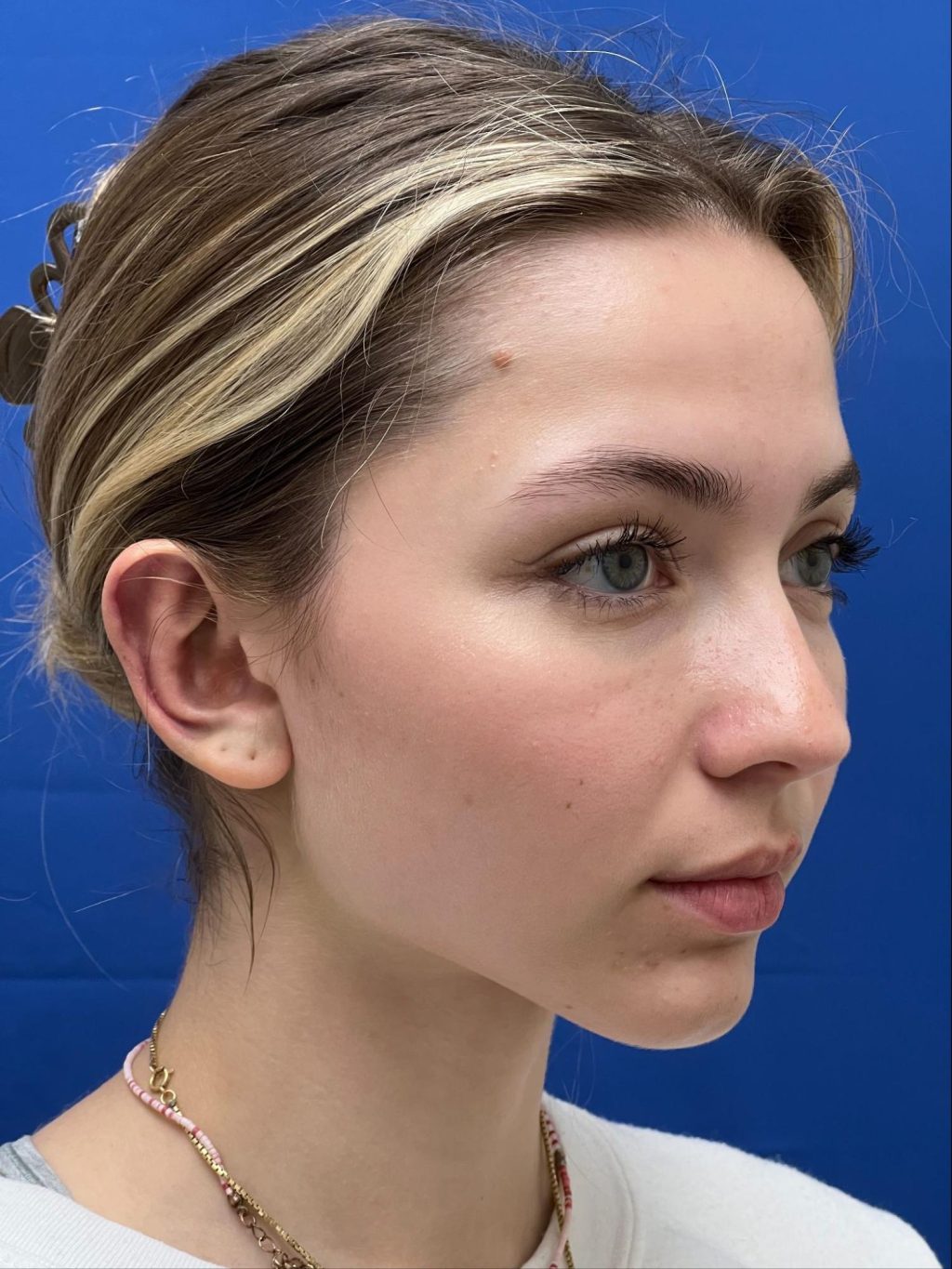
The ears reach 80 to 90% of their full, adult size by the time we turn five years old. (1) This means that if your child was born with a congenital deformity or has an auricular irregularity, they may want to consider undergoing an otoplasty at one point in their lives.
Children can be so mean to one another without fully understanding the impact and importance that their words can have. Teasing and bullying can run rampant and often target insecurities such as someone’s appearance. Dr. Stanislaw can fully personalize an otoplasty procedure for your child to help them improve the appearance of their ears, allowing them to build up their self-esteem rather than their self-consciousness.
Candidates
You may be a candidate for an otoplasty if the enlargement or protrusion of your ears has impacted your aesthetic appearance and body image. The normal distance between the outer edge of an ear and the scalp behind it is typically 15 to 17 millimeters. Dr. Stanislaw recommends otoplasty for those whose ears protrude farther than 17mm from the scalp. You may also be a candidate if you possess other ear irregularities, such as Stahl’s ear, cauliflower ear, or lop ear deformity. All prospective patients should hold realistic expectations regarding their results.
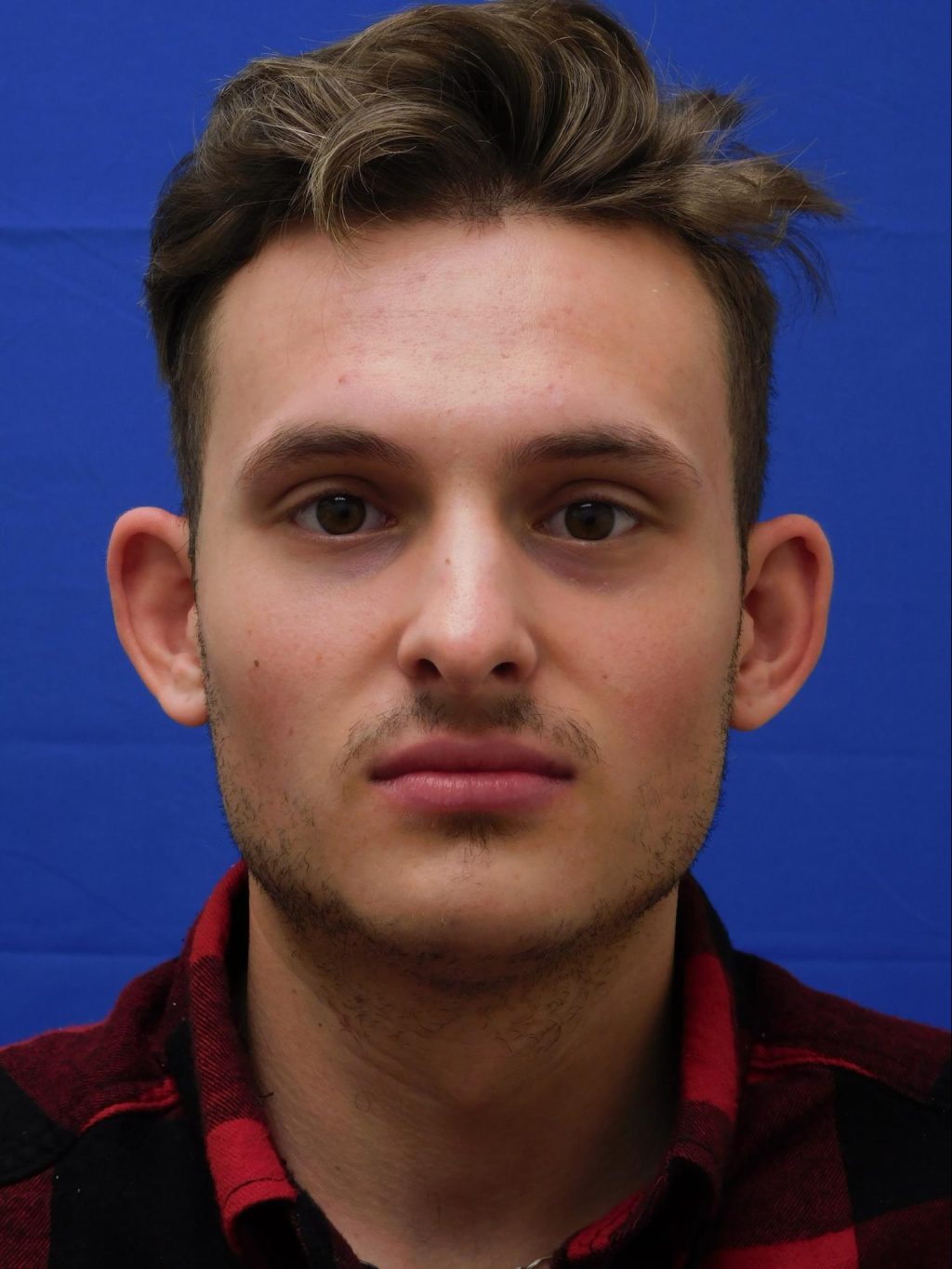
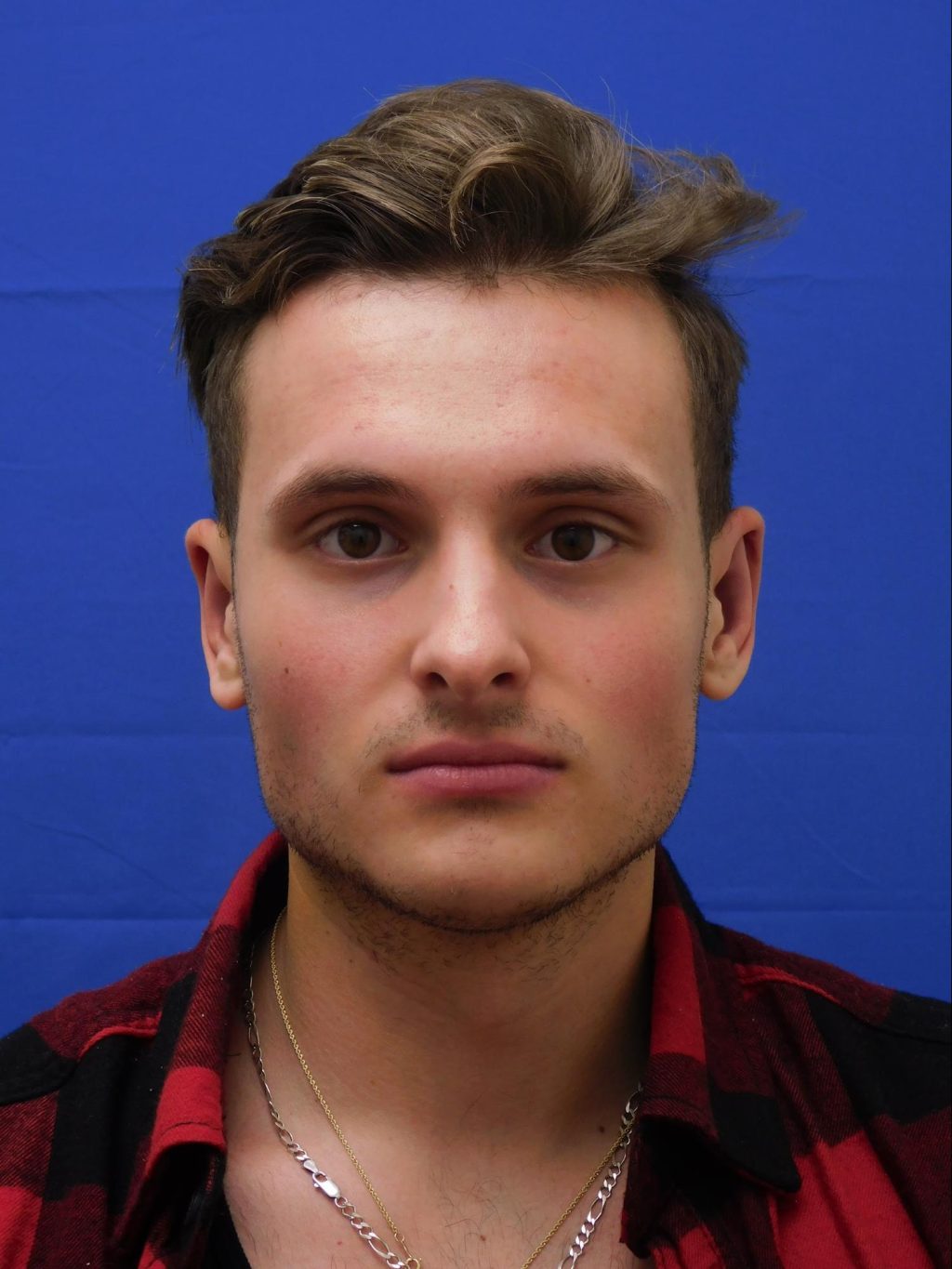
If your child is concerned about their ears, then Dr. Stanislaw can help! For a child to be eligible for otoplasty, they must be at least 5 years of age to ensure their ears have fully developed. However, Dr. Stanislaw recommends waiting until they are 10 to 12 years old so that they understand their procedure and want it for themselves. Dr. Stanislaw will determine each individual’s candidacy during their personal consultation.
Personal Consultation
There is no singular solution to your health and well-being, which is why you will need to attend a personal consultation with Dr. Stanislaw before scheduling your otoplasty. During this consultation, Dr. Stanislaw will meet with you or your child one-on-one to discuss what the procedure entails and if you are an eligible candidate. He will take time to educate you about your procedure and explain the different techniques he may perform, the benefits and limitations of the procedure, as well as what your realistic outcomes may be. To get to know you, Dr. Stanislaw will also ask you several questions about your medical history and ear concerns. He will then perform a physical evaluation to assess the condition of your ears, measure their size and protrusion, examine their symmetry, and more.
Dr. Stanislaw will use the information that you give to him to create a customized treatment plan for you or your child’s goals. Throughout the consultation, Dr. Stanislaw will also take the time to answer any questions you may have, as his goal is to educate you and set realistic expectations for your otoplasty.
To schedule this consultation, please contact us online. If you have any questions or would prefer scheduling over the phone, please call our Avon office at (860) 409-1515.
Preparation
Once you schedule your otoplasty, you will need to begin making certain preparations to ensure you are ready. To help you, Dr. Stanislaw will provide a set of detailed preoperative instructions. He may direct you to:
- Refrain from taking any medications or supplements that may thin your blood.
- Prepare to take time away from your career and other commitments.
- Arrange transportation for your procedure.
- Pick up any medications that Dr. Stanislaw prescribes in advance.
By following each of these preparatory steps, you can ensure a successful procedure, smooth recovery, and the best possible results.
Procedure
Dr. Stanislaw performs each otoplasty procedure in our Connecticut office. The duration of your procedure will vary depending on the details of your treatment plan, but you can expect it to last between one and three and a half hours. Dr. Stanislaw exclusively performs otoplasty without sedation; patients receive local anesthesia.
Ear Reshaping
Dr. Stanislaw will begin by using a skin-safe marker to mark out where he wants to place antihelical fold adjustments. Once he has created each guiding mark, he will cleanse your skin before administering anesthesia.
Dr. Stanislaw will start with the ear that requires more corrections. He will begin placing incisions behind your ears, avoiding any damage to your natural cartilage. He will lift the skin off to access your underlying ear structures. He will use permanent sutures to create a new helical fold and curved arc, and may create the appearance of a new antihelical fold using sutures behind the ear. When making this arc, he uses several suture anchor points to increase curvature and also create stabilization redundancies. If he finds that there is too much cartilage in the area, he will instead adjust your tissues to make the conchal bowl appear smaller.
Ear Pinning
After adjusting ear shape, Dr. Stanislaw will bring the ears closer to the head with sutures. Similar to the ear reshaping phase, he will begin your procedure on the ear that requires more corrections.
He will excise a small section of skin and soft tissue from the back of the ear before creating a hole or pocket within the area–all without damaging your natural cartilage. He will then push the conchal bowl inward to reduce any protrusion. If any excess skin remains, Dr. Stanislaw will carefully trim it to create a smoother look and feel. He will then tighten your ears by using a midshipman’s knot. This allows him to slide the knot up and down, and it is self-locking.
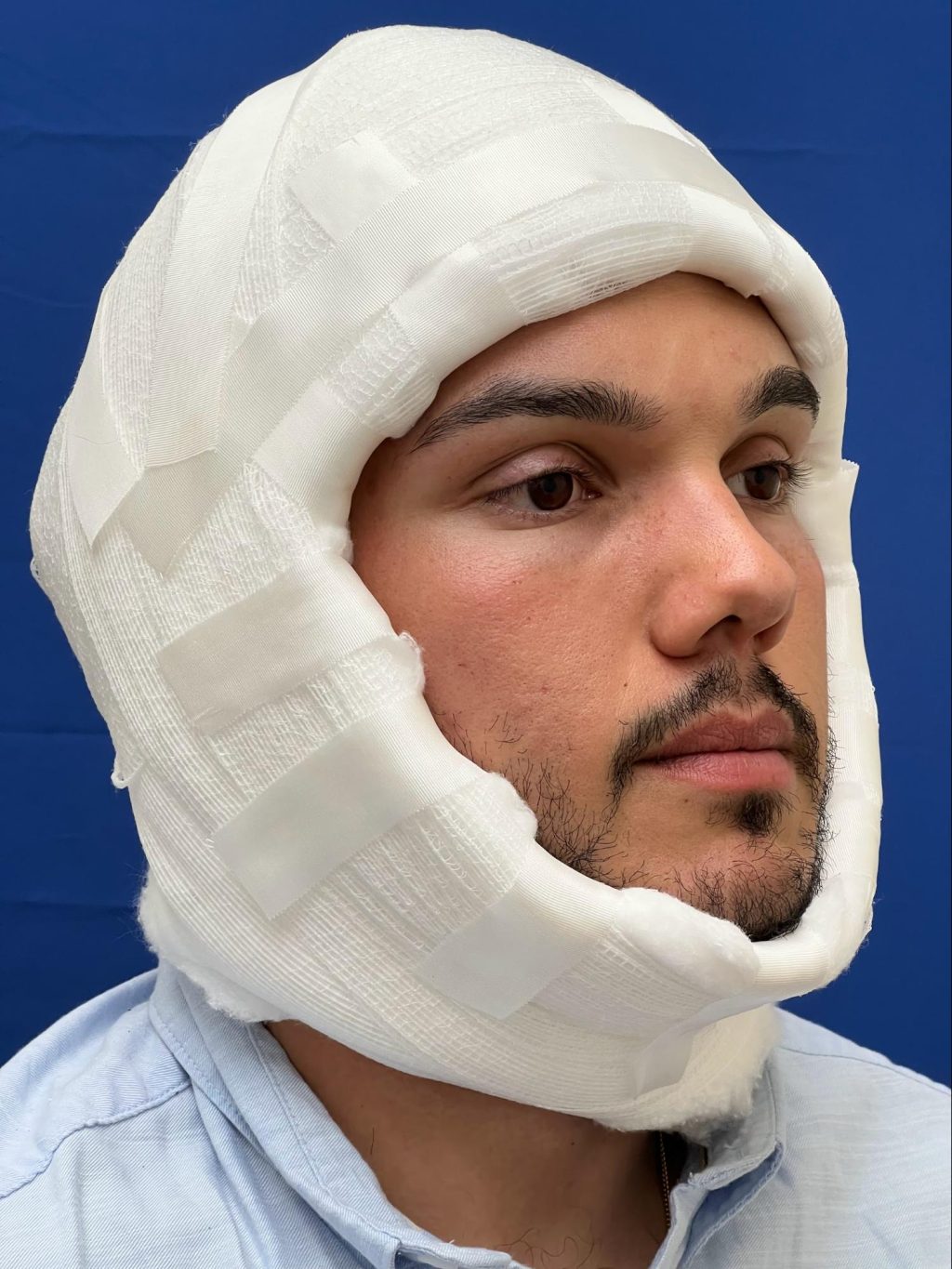
After Dr. Stanislaw performs each of your desired corrections, he will bunch your skin before closing each incision using a running vertical mattress suture. This allows the skin to flatten on its own as swelling fades, leading to better healing and cleaner results. He will then cover your ears using a dressing.
Recovery
After your otoplasty, Dr. Stanislaw will release you or your child to start recovering. The anesthetic lasts for about six hours after treatment. After this time, discomfort may be significant. Dr. Stanislaw will provide a set of postoperative instructions to help you care for yourself as you heal. You will need to follow each of these guidelines to avoid irritating your healing ears. He may instruct you to:
- Keep your dressings on for 24 hours.
- Sleep with your head elevated for one week.
- Avoid applying a cold compress or ice to your ears.
- Avoid physically demanding activities and bending over.
- Avoid wearing helmets, turtlenecks, or ear loop masks (or anything else that could touch the ears).
- Clean your sutures with hydrogen peroxide three times a day, and apply bacitracin or Vaseline afterwards with a Q-Tip.
- Refrain from pulling or tugging on your ears.
- Avoid swimming for at least one month.
Throughout your recovery, you may also experience swelling, bruising, or tenderness. You may manage these concerns with medications such as Celecoxib or Tylenol. Throughout your recovery, Dr. Stanislaw may also ask you to return for follow-up appointments. During these meetings, he will remove your sutures and ensure your results are developing as expected.
Results
You will be able to see noticeable improvements in the shape and prominence of your ears after just one week. You will be able to enjoy more sculpted and contoured ears, as well as an overall reduction in their prominence, which can contribute to a more proportionate appearance.
You will not need to worry about visible scarring with an otoplasty, as Dr. Stanislaw places the incision where the ear meets the scalp. This allows the incision to blend seamlessly into the natural contours of your skin, even when you pull your ear back.
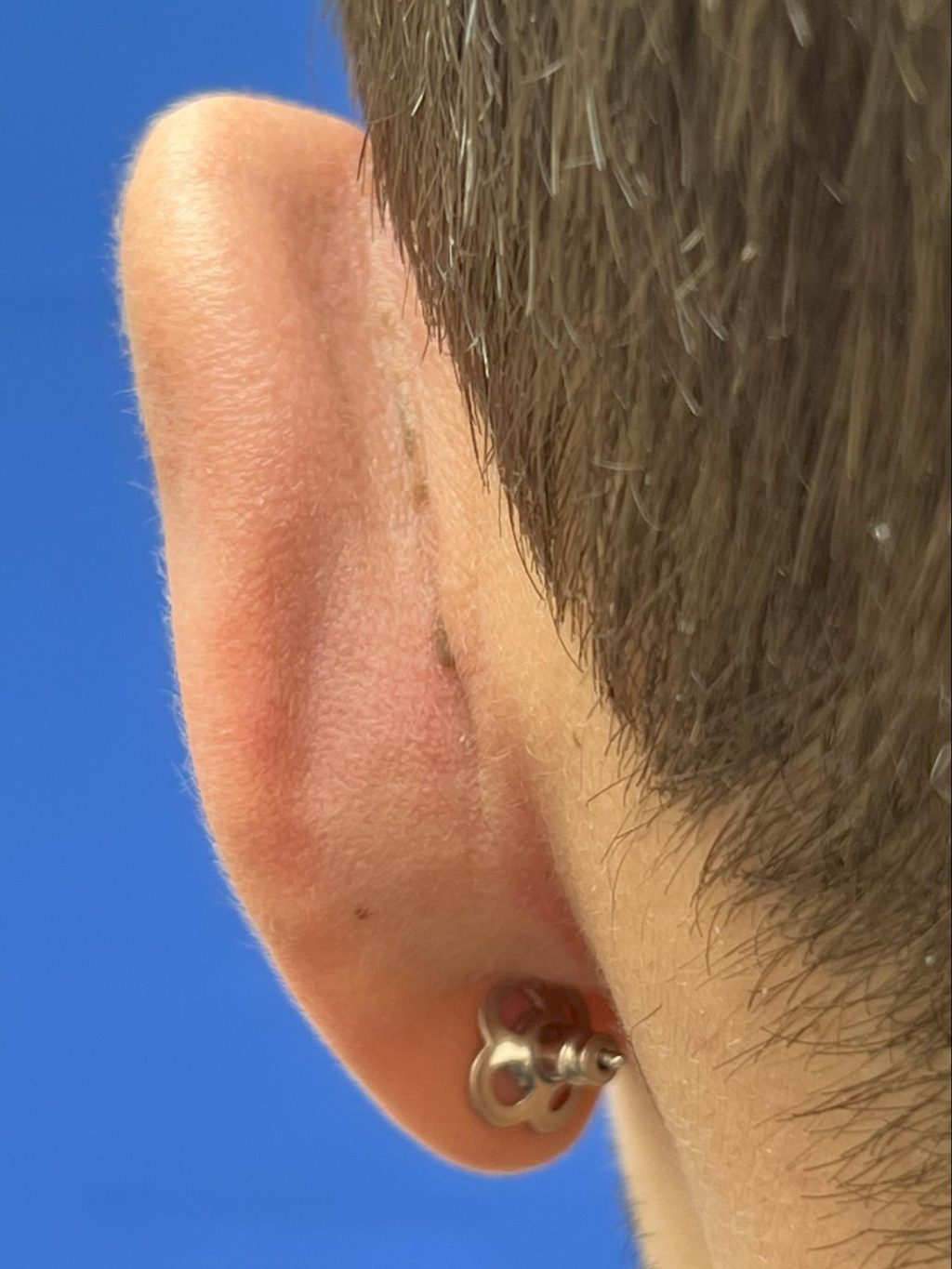
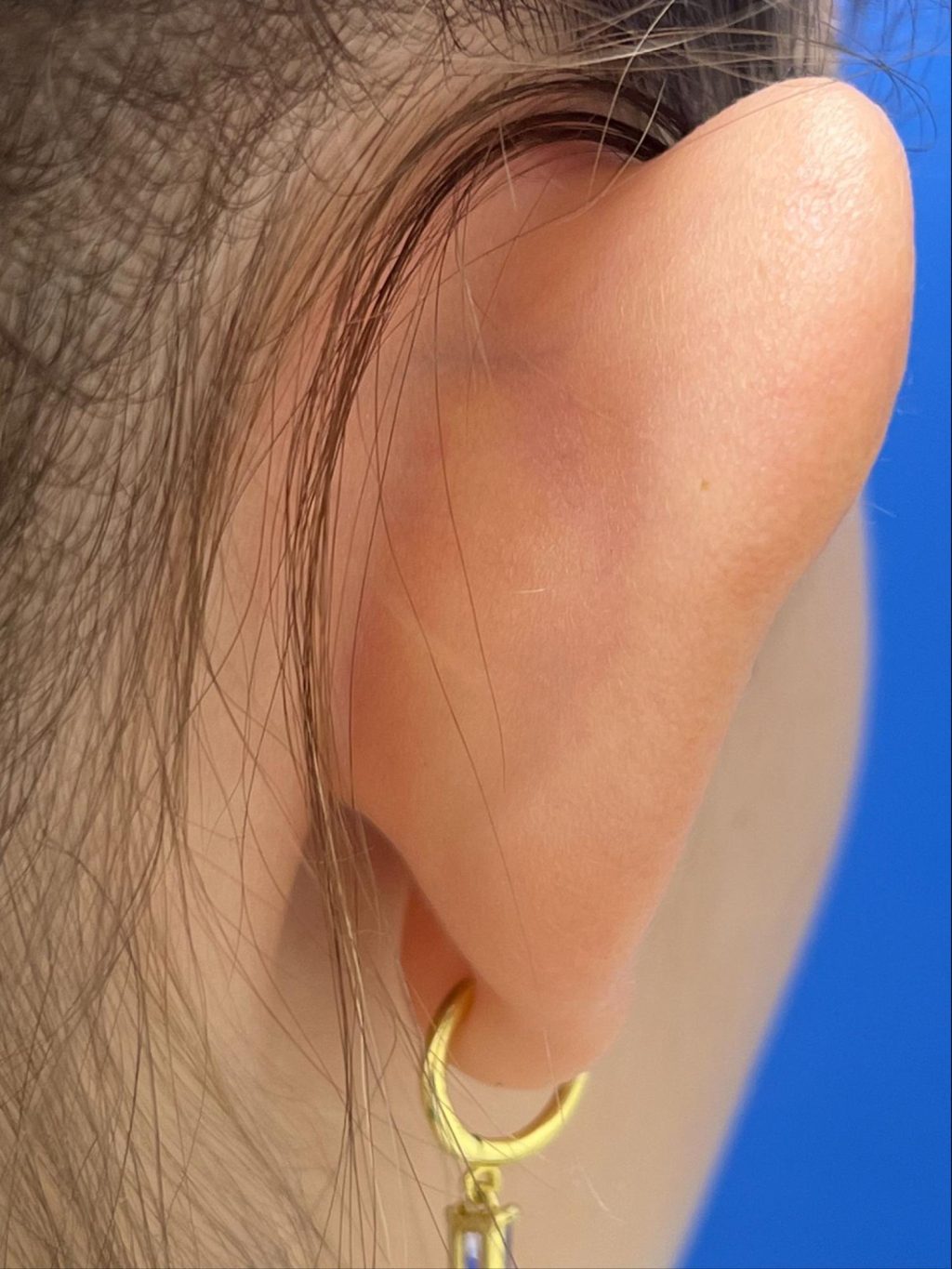
The results of otoplasty are permanent. This means that you will be able to enjoy lifelong changes that can not only improve your appearance, but also your sense of self-esteem and confidence. Instead of continuing to have to grow your hair out to hide your ears, you can finally overcome your struggles and insecurities once and for all.
Cost of Otoplasty in Hartford, CT
The cost of your otoplasty will vary depending on several aspects of your treatment plan. These can include the surgical techniques Dr. Stanislaw employs, the complexity of your procedure, and more. Once he meets with you to discuss your treatment plan, he will give you a comprehensive cost estimate.
To learn more about our pricing, please schedule a consultation online or call (860) 409-1515.
FAQ
Will I be able to drive myself home after my otoplasty?
You will not be able to drive home after otoplasty, because the dressing that covers your ears may impede your vision. We ask that you arrange transportation home after your procedure to ensure your safety and well-being.
How long will it take to recover from my otoplasty?
Your recovery timeline can vary depending on the extent of your corrections, the surgical techniques, and how quickly your body heals itself. Generally, you can expect to take several weeks to recover. However, minor procedures may only require a recovery period of a few days.
Can I sleep on my side after my otoplasty?
Dr. Stanislaw does not recommend sleeping on your side, as this can irritate your ears as they heal. We recommend sleeping on your back with your head elevated, which can help reduce swelling and external pressure. You may also want to consider using several extra pillows or a wedge pillow to maintain your position throughout the night.
How long will it take Dr. Stanislaw to perform my otoplasty?
The duration of your otoplasty will vary depending on the overall complexity of your procedure and your specific goals. Dr. Stanislaw typically takes between one and three and a half hours to complete an otoplasty.
What causes the ears to protrude?
Protruding ears are often the result of genetic factors that can influence the shape and position of your cartilage. Protruding ears can occur when a ridge of the ear does not form, or the central portion of the ear is enlarged, causing them to sit further away from your head.
References
- Kennedy KL, Hohman MH, Ziad Katrib. Otoplasty. Nih.gov. Published February 3, 2025. https://www.ncbi.nlm.nih.gov/books/NBK538320/#article-26430.s4
- Szymanski A, Geiger Z. Anatomy, Head and Neck, Ear. PubMed. Published 2021. https://www.ncbi.nlm.nih.gov/books/NBK470359/