
Dysport
Conveniently located to serve the areas of Avon and Hartford, CT
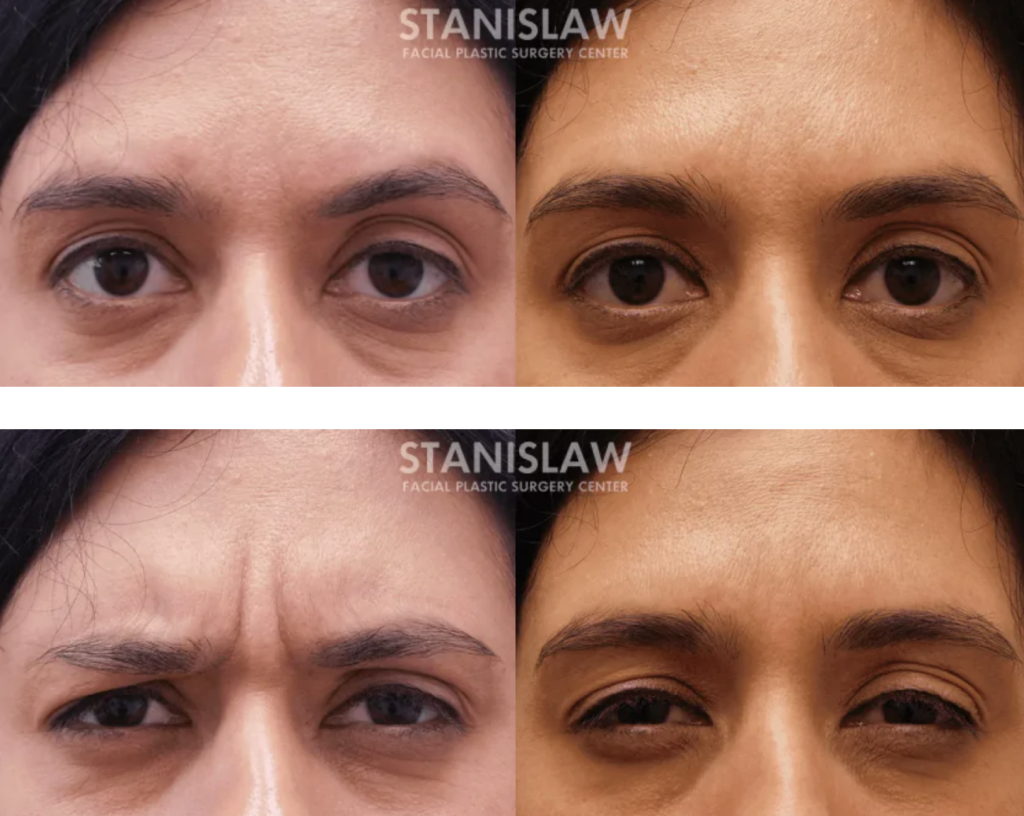
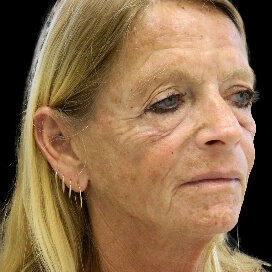
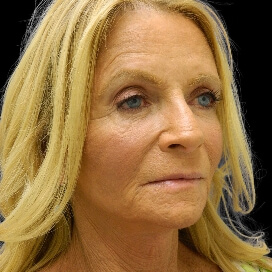
Dysport is a non-invasive treatment and a botulinum toxin cosmetic injection that is used to help reduce moderate to severe wrinkles caused by facial muscle contractions. The injectable medication won’t work for severe wrinkles or wrinkles that are embedded in the skin. Dysport is an alternative to Botox that is FDA-approved to treat glabellar frown lines, horizontal forehead lines, and crow’s feet, achieving an overall smoother appearance to the skin and treatment area.
Contents
Treatment Areas
Dysport is used to treat facial wrinkles on the forehead, between the eyebrows (frown lines or glabellar lines), and crow’s feet (the fine lines at the outside corner of the eyes). Dysport botulinum toxin injections can also be used for vertical bands on the neck (below the chin) and wrinkles around the lips.
Dysport Types
Dysport is a competitor of Botox and they share the same active ingredient. Dysport is injected the exact same way and delivers the same results as Botox. Botox and Dysport are neurotoxin injectables that use small doses of botulinum toxin type A that are FDA-approved to treat forehead lines and wrinkles, as well as crow’s feet. Both Dysport and Botox are muscle relaxers that work by blocking nerve signals in the muscles.
Mechanism of Action
Dysport works by temporarily preventing the nerves from sending signals to the muscles that continuously contract and form wrinkles. This process has been used for various medical conditions for decades.
Results Timeline
Dysport usually starts to work one to two days after the injection treatment, reaching its full effect after 7 days. Some believe Dysport has an earlier onset than Botox, but clinical studies have yet to prove this.
Duration
The duration of Dysport varies depending on the patient, the location of the injection, and the amount of Dysport injected. For most people, Dysport last 3 to 6 months; however, it can last longer than 6 months and very rarely wears off in less than 3 months.
Recovery Time
People who have a Dysport treatment may experience very mild swelling that tends to go down after 15 minutes.
Bruising Risk
Bruises caused by a Dysport injection are rare. The exception is the crow’s feet area because of the thin skin, which bruises approximately 25% of the time with Dysport. If a bruise does result at the injection site, it can be easily covered with makeup at any time after the Dysport procedure.
Injection Discomfort
Dysport injections cause very little discomfort and only slight pain. Most patients do not feel it is necessary to use a numbing cream or ice. However, there are some patients who prefer to use a topical numbing cream before the Dysport injection, and we can easily provide this for you if desired.
Aftercare Guidelines
After you receive a Dysport injection it is important to avoid rubbing the area for 24 hours. Also, you should not have a facial treatment or microdermabrasion for one week after the injection. You can wear makeup immediately after the procedure. There are no other limitations in regard to exercise or alcohol consumption.
Complimentary Treatments
Since Dysport can’t remove embedded wrinkles, most patients will choose to have an injectable hyaluronic acid filler treatment done at the same time to improve their appearance. These two treatments together can be a very effective cosmetic rejuvenation package for patients with mild to moderate lines and wrinkles.
FAQs
How long does Dysport last?
Dysport lasts for about 3-4 months for most people.
How long does it take for Dysport to kick in?
Dysport typically starts to take effect within a few days. Most individuals notice a visible reduction in muscle activity and an improvement in their skin’s appearance in about 2 to 3 days after the treatment. However, the full effects of Dysport generally become more apparent over the course of a week.
Can I wear makeup after Dysport?
You can wear make up immediately after a dysport injection, there is no risk of infection
Does Botox last longer than Dysport?
Generally, Dysport is known to take effect slightly faster than Botox, but in terms of longevity, the results can be quite similar for many patients. Botox and Dysport typically last around three to four months. However, individual responses can vary based on factors such as metabolism, muscle strength, the area being treated, and dosage used.
What are the side effects of Dysport?
Dysport carries some potential side effects that are important to consider. Common side effects of Dysport can include injection site reactions such as swelling or bruising. Some individuals might also experience temporary headaches, fatigue, or a sensation of flu-like symptoms following treatment.
What should I avoid after Dysport?
After receiving a Dysport injection, avoid touching, rubbing, or massaging the treated area for at least 24 hours to prevent it from spreading to unintended muscles. It is also advisable to refrain from engaging in strenuous physical activities for about 24 hours post-injection, as increased blood flow could cause Dysport to migrate. Additionally, avoiding alcohol consumption before and after the procedure can help reduce the risk of bruising.